
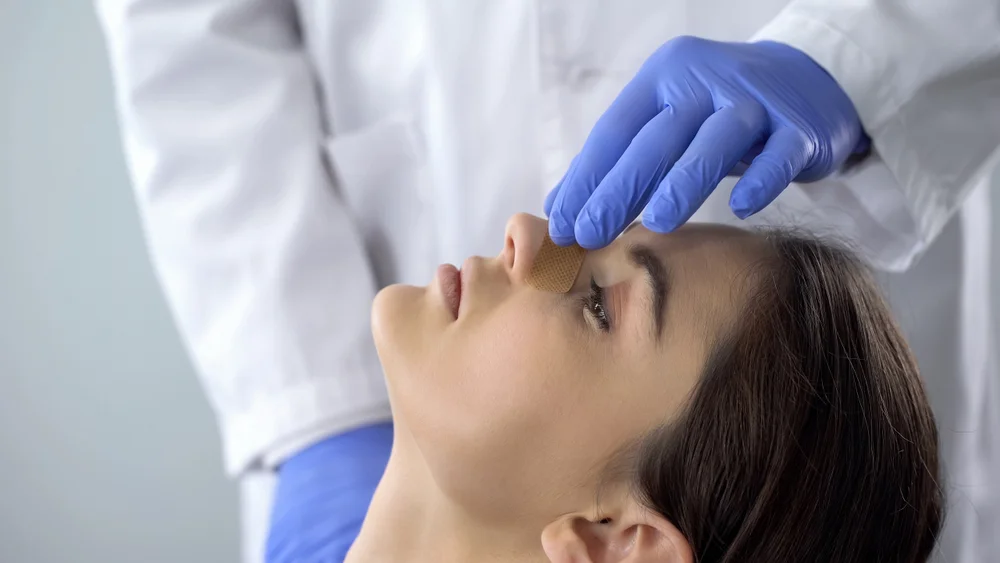
Septoplasty is a specialized surgical procedure performed to correct a deviated nasal septum and restore normal breathing through the nose. The nasal septum is the thin wall of bone and cartilage that divides the nose into two separate chambers, or nostrils. When this septum is significantly crooked or displaced to one side, a condition known as a deviated septum, it can block airflow and lead to chronic nasal obstruction, recurrent sinus infections, and other bothersome symptoms.
While many people have some degree of septal deviation without noticeable symptoms, those with significant obstruction often find that daily activities such as sleeping, exercising, and even simple breathing become challenging. Septoplasty is considered the most effective long-term treatment for these structural issues, particularly when conservative measures such as nasal sprays and medications fail to provide adequate relief.
The procedure is one of the most common surgeries performed by Ear, Nose, and Throat (ENT) specialists and is typically an outpatient procedure, meaning most patients can return home the same day. Septoplasty focuses solely on internal structural correction and is not intended to change the external appearance of the nose, unlike rhinoplasty, which is performed for cosmetic purposes.
What Is a Deviated Septum?
The Anatomy of the Nasal Septum
The nasal septum is composed of cartilage in the front portion and thin bone toward the back of the nose. It serves several important functions: it supports the nose, directs airflow, and helps filter and humidify the air we breathe. In an ideal anatomical alignment, the septum sits perfectly in the center of the nose, creating two equally sized nasal passages.
However, a perfectly straight septum is rare. The septum can bend to one side as part of normal growth during childhood and puberty, or it can be deviated at birth, a congenital condition. Injury to the nose, such as a broken nose or sports-related trauma, is another common cause of septal deviation.
Symptoms of a Deviated Septum
When the septum is significantly deviated, it can obstruct one or both nasal passages, leading to a range of symptoms, including chronic nasal congestion, difficulty breathing through one or both nostrils, frequent nosebleeds due to uneven airflow drying out the nasal lining, recurrent sinus infections due to poor sinus drainage, snoring or sleep disturbances, mouth breathing especially during sleep, and headaches related to sinus pressure.
In some cases, a deviated septum can contribute to obstructive sleep apnea, a condition where breathing repeatedly stops and starts during sleep, significantly affecting quality of life. Research shows that patients who undergo septoplasty experience meaningful improvements in nasal obstruction symptoms and overall quality of life at six and twelve months following surgery.
Who Is a Candidate for Septoplasty?
Not everyone with a deviated septum requires surgery. Many people live with some degree of septal deviation without experiencing significant problems. However, septal deviation surgery may be recommended when symptoms affect daily quality of life and do not improve with conservative treatment.
Conservative Treatments
Before considering surgery, ENT specialists typically recommend a trial of non-surgical treatments, which may include nasal corticosteroid sprays to reduce inflammation in the nasal passages, saline nasal rinses to keep nasal passages moist and clear of irritants, decongestants for short-term relief of nasal congestion, and antihistamines if allergies are a contributing factor.
If symptoms persist despite these measures, a septoplasty may be the most effective solution. Good candidates for surgery typically have persistent nasal obstruction that has not responded to medical therapy, documented septal deviation on physical examination or nasal endoscopy, symptoms that impair sleep, exercise tolerance, or quality of life, and realistic expectations with the ability to follow postoperative care instructions.
Septoplasty vs. Rhinoplasty: Understanding the Difference
It is important to understand the distinction between septoplasty and rhinoplasty, as they serve different purposes.
Septoplasty corrects internal structural issues to improve breathing. Its focus is functional and medically necessary. It does not change the external shape of the nose and is typically covered by insurance when medically necessary.
Rhinoplasty reshapes the external nose for cosmetic reasons. Its focus is aesthetic and elective. It intentionally changes the size, shape, or contour of the nose and is typically not covered by insurance as it is an elective cosmetic surgery.
Septorhinoplasty: Combining Function and Form
Sometimes patients require both functional correction and cosmetic improvement. In these cases, surgeons may perform a septorhinoplasty, which combines septoplasty to improve breathing with rhinoplasty to reshape the external appearance of the nose. This combined approach is recommended when a deviated septum affects both breathing and nasal appearance, when nasal bones need repositioning, or when structural grafts are required to support the nose.
This approach allows patients to address both functional and aesthetic concerns in a single surgery with one recovery period.
How Is Septoplasty Performed?
Preoperative Preparation
Before surgery, your surgeon will conduct a thorough evaluation, which typically includes reviewing your medical history, discussing medications and supplements that may need to be paused, performing a physical examination of your nose, and possibly ordering blood tests or imaging studies.
You will likely be advised to stop taking medications that can increase bleeding risk, such as aspirin, ibuprofen, or naproxen. If you smoke, you will be strongly encouraged to stop, as smoking significantly impairs healing.
Anesthesia
Septoplasty is typically performed under general anesthesia, meaning you will be completely asleep and pain-free during the procedure. In some cases, local anesthesia with sedation may be used. Your surgeon and anesthesiologist will determine the safest and most suitable option for your surgery.
The Surgical Procedure
Septoplasty generally takes between thirty and ninety minutes. During the procedure, the surgeon makes an incision inside one side of the nose, gently lifts the thin lining covering the septum, called the mucosa, trims, reshapes, or repositions the deviated portions of bone and cartilage, and in some cases removes pieces and then places them back in a corrected position. The lining is then repositioned, and dissolvable stitches are used to close the incision.
If crooked nasal bones are contributing to the deviation, they may also be adjusted. In some cases, small silicone splints or soft packing may be placed inside the nostrils to support healing and prevent bleeding. Most patients go home the same day.
Septoplasty and Turbinate Reduction
Many patients undergo septoplasty and turbinate reduction at the same time. Turbinates are structures inside the nose that help humidify and filter air. If they are enlarged, they can further block airflow. Reducing the size of these tissues can provide better long-term airflow results.
Cartilage Grafting in Septoplasty
In some cases, particularly when the septum has been significantly damaged by previous trauma or surgery, the surgeon may need to use cartilage grafts to reconstruct or reinforce nasal structures.
Autologous Cartilage Grafts
Autologous cartilage grafts are taken from the patient’s own body. Common donor sites include septal cartilage, which is the preferred option when available and is taken from the septum itself during surgery, ear cartilage also known as conchal cartilage, which is used for smaller grafts when septal cartilage is insufficient, and rib cartilage or costal cartilage, which is used for severe structural defects requiring significant support.
Rib cartilage grafting is particularly valuable when the septum is too weak or depleted to provide adequate support. Studies show that diced rib cartilage wrapped in fascia can be an effective option for reconstructing nasal deformities, with high patient satisfaction rates for both aesthetic and functional outcomes.
Allogeneic Cartilage Grafts
For patients who prefer not to use their own tissue, or when autologous cartilage is not available, allogeneic cartilage grafts from cadaveric donors offer an alternative. Lyophilized or freeze-dried costal cartilage has been shown to be a safe and effective option for septorhinoplasty procedures. These grafts provide a reliable source of high-quality cartilage without donor site morbidity, which refers to the discomfort and scarring associated with harvesting cartilage from the patient’s own body.
These allografts are particularly useful as spreader grafts to support the nasal airway, batten grafts to straighten a crooked septum, and extension grafts to enhance nasal tip projection.
What to Expect After Septoplasty
Immediate Postoperative Period
After surgery, you will spend time in a recovery area until the anesthesia wears off. Most patients go home the same day, but you will need someone to drive you. You may have dissolvable sutures, packing, or splints inside your nose, depending on your surgeon’s approach.
Common early symptoms include mild to moderate discomfort often described as pressure or congestion rather than sharp pain, nasal congestion and stuffiness, bloody drainage which is normal for a few days, swelling around the nose and eyes, and a feeling of sinus pressure.
Many patients describe the sensation as similar to having a sinus infection. Pain levels typically peak four to six hours after surgery and can be managed effectively with prescribed pain medications.
Recovery Timeline
In the first two days, known as immediate recovery, you should rest with your head elevated using two to three pillows or a wedge. A drip pad under the nostrils collects drainage and should be changed as needed. Apply ice packs to cheeks and eyes, not directly on the nose, to reduce swelling, and start taking pain medications on schedule before pain becomes severe.
From days three to seven, swelling and congestion gradually improve. Continue using saline nasal sprays as instructed, typically four to six times daily. Avoid blowing your nose and sneeze with your mouth open. Avoid bending over, heavy lifting, or any activity that increases blood pressure to the head. Your follow-up visit for splint or packing removal will usually occur on day five to seven.
Many patients experience a significant moment when splints are removed, with immediate improvement in airflow.
During weeks two to four, breathing steadily improves. Most patients can return to light work and daily activities while continuing to avoid strenuous exercise and heavy lifting. Any bruising begins to fade.
From weeks four to six and beyond, you can gradually resume normal physical activities. Jogging and light cardio may be permitted with surgeon approval, while contact sports and swimming require waiting six to eight weeks. Internal tissues continue to stabilize, and final breathing results may take several months to become fully apparent.
Self-Care During Recovery
Continue sleeping with your head elevated for at least one week to reduce swelling. Do not blow your nose for at least one to two weeks, as this is one of the most important restrictions. Use saline nasal sprays or gentle rinses as instructed to keep nasal passages moist. Take pain medications as prescribed and use a stool softener if narcotics cause constipation. Eat soft, cool foods initially and avoid spicy foods that can cause nasal discharge. Drink two to three liters of water daily to compensate for mouth breathing.
Returning to Normal Activities
Desk work can typically resume within five to ten days. Physical jobs may require two to three weeks. Strenuous exercise should wait three to four weeks, while contact sports require six to eight weeks. Flying is typically allowed after splint removal at five to seven days with surgeon approval.
Risks and Complications
As with any surgery, septoplasty carries some risks. While serious complications are rare, it is important to be aware of potential risks. These include bleeding, though minor bleeding is normal while significant bleeding is uncommon, infection which may present with fever, increasing pain, and foul-smelling discharge, reaction to anesthesia, persistent nasal obstruction if correction was incomplete or scar tissue forms, a hole in the septum called septal perforation which is uncommon and rarely requires treatment, temporary numbness of the upper teeth, gums, or tip of the nose, and minor changes in the shape of the nose which are uncommon.
The overall rate of complications from septoplasty is relatively low. Studies report bleeding and infection rates of approximately four percent, with revision rates below one percent.
When to Contact Your Surgeon
Contact your healthcare provider immediately if you experience heavy bleeding that soaks through dressings, fever of one hundred one degrees Fahrenheit or higher, increasing pain not relieved by medication, foul-smelling nasal discharge, or severe swelling.
Frequently Asked Questions
Is septoplasty a painful surgery?
Most patients describe pressure and blockage more than sharp pain. Standard pain medications are usually sufficient for managing discomfort.
When will my breathing improve?
Many patients notice a significant improvement immediately after splint removal at about day five to seven, with steady gains over the following weeks as swelling subsides. The final results may take several months to fully materialize.
Can I have septoplasty if I’ve had a previous rhinoplasty?
Yes, but it is considered a more complex revision procedure. Because the original anatomy has been altered and scar tissue is present, it requires a surgeon with specialized experience in revision nasal surgery.
How long do results last?
Functional gains from a well-performed septoplasty are long-term. If the septum is straightened and valve support is restored, improvements in breathing are typically durable.
Will septoplasty fix my snoring?
Septoplasty can improve nasal airflow and may reduce snoring caused by nasal obstruction. However, snoring can also be caused by other factors, including throat tissue collapse, so it is not always a standalone cure.
Can I wear glasses after surgery?
Glasses rest directly on the bridge of the nose, so surgeons typically recommend delaying their use for three to four weeks. Taping glasses to the forehead or using contact lenses are temporary alternatives.
When can I blow my nose?
Gentle nose blowing typically resumes seven to ten days after surgery, but only with your surgeon’s permission. Full-force blowing may need to wait three to four weeks.
About Dr. Somayeh Moin
Dr. Somayeh Moin is a board-certified Ear, Nose, and Throat (ENT) specialist with dedicated expertise in nasal and sinus surgery, including septoplasty and septorhinoplasty. Holding prestigious board certifications from both Iran and Turkey, Dr. Moin brings a unique international perspective and comprehensive surgical training to functional nasal procedures.
Dr. Moin’s dual-board certification reflects a commitment to the highest standards of otolaryngological care. Her extensive training in both countries equips her with a diverse range of surgical techniques and approaches, allowing her to tailor each procedure to the individual patient’s unique anatomical considerations and functional needs.
As a specialist in ENT and Head & Neck Surgery, Dr. Moin combines functional expertise with meticulous surgical precision. For patients with septal deviation, Dr. Moin offers a comprehensive approach that begins with a thorough evaluation of breathing function and nasal anatomy. She understands that difficulty breathing affects every aspect of daily life, from sleep quality to exercise tolerance to overall well-being.
Dr. Moin’s practice emphasizes evidence-based surgical techniques with proven outcomes, comprehensive preoperative evaluation and diagnostic endoscopy, meticulous surgical technique to preserve nasal function and structure, patient-centered care with realistic expectations, and close postoperative monitoring and support for optimal healing.
For patients considering septoplasty to improve their breathing and quality of life, Dr. Somayeh Moin offers the expertise, international training, and compassionate care required for this life-changing procedure. Her dual-board certification from Iran and Turkey represents a commitment to excellence and a deep understanding of the functional and anatomical complexities of the nose.