
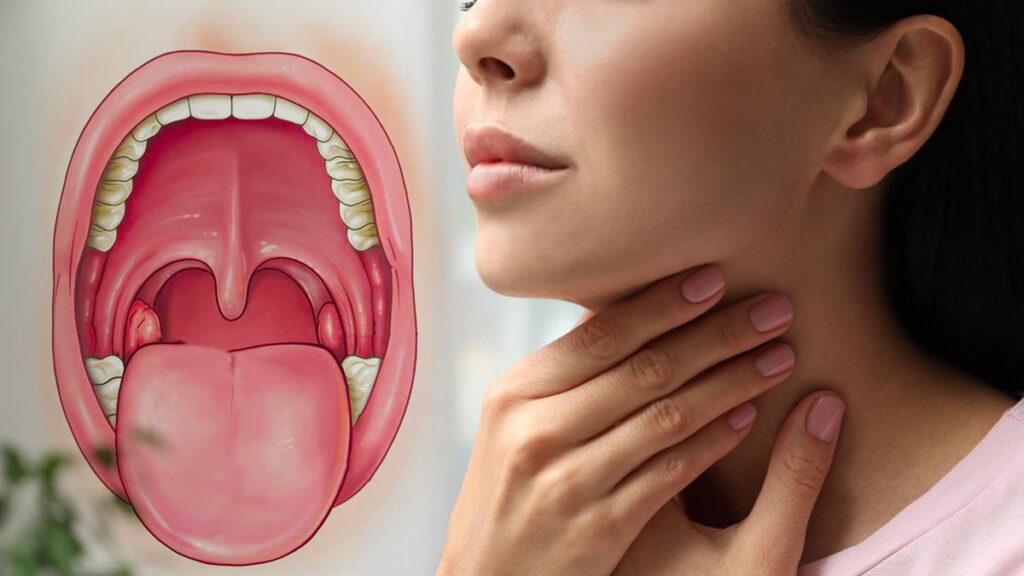
The tonsils are a pair of small, fleshy pads of lymphatic tissue located at the back of the throat, one on each side. They are part of the body’s immune system and serve as the first line of defense against bacteria and viruses that enter through the mouth and nose. Along with the adenoids, which are similar tissue located higher in the throat behind the nose, the tonsils help trap germs and produce antibodies to fight infections.
While the tonsils play an important role in immune function during early childhood, their significance diminishes as the immune system matures. By adolescence and adulthood, the body has developed other defense mechanisms, making the tonsils less essential for overall health. In fact, the tonsils typically reach their maximum size during childhood and gradually shrink with age.
Tonsillar diseases encompass a range of conditions affecting the palatine tonsils, from acute infections to chronic inflammation and growths. These conditions can cause significant discomfort, interfere with breathing and swallowing, and affect overall quality of life. Tonsillar disorders are among the most common reasons for ENT consultations, particularly in pediatric populations, but they can affect individuals of all ages.
Tonsillar diseases can be broadly categorized into infectious and inflammatory conditions, obstructive conditions, and neoplastic conditions. Accurate diagnosis and appropriate treatment are essential for relieving symptoms, preventing complications, and optimizing long-term outcomes.
Anatomy and Function of the Tonsils
The palatine tonsils are located in the tonsillar fossa, a recess on each side of the oropharynx between the palatoglossal and palatopharyngeal arches. Each tonsil is composed of lymphoid tissue organized into follicles and covered by stratified squamous epithelium that dips into the tissue to form crypts. These crypts increase the surface area for trapping pathogens and antigens.
The tonsils are part of Waldeyer’s ring, a ring of lymphoid tissue in the pharynx that includes the adenoids (nasopharyngeal tonsil), the tubal tonsils, the palatine tonsils, and the lingual tonsil at the base of the tongue. This ring serves as a barrier against pathogens entering the upper respiratory and digestive tracts.
The tonsils are supplied by the tonsillar branches of the facial artery, the ascending pharyngeal artery, and the descending palatine artery. Venous drainage occurs through the peritonsillar plexus. The nerve supply to the tonsils is primarily from the glossopharyngeal nerve, which explains why tonsillar pain often radiates to the ear.
The tonsils reach their largest size between the ages of three and seven years, after which they gradually undergo physiological involution. This timing explains why tonsillar infections and obstructions are most common in childhood, though they can occur at any age.
Common Tonsillar Diseases and Conditions
Acute Tonsillitis
Acute tonsillitis is an inflammation of the tonsils caused by viral or bacterial infection. It is one of the most common conditions encountered in ENT practice, particularly in children and young adults.
Viral tonsillitis is the most common form, accounting for approximately 70% of cases. It is usually caused by common respiratory viruses such as adenovirus, rhinovirus, influenza virus, Epstein-Barr virus (which causes infectious mononucleosis), and enterovirus. Viral tonsillitis typically presents with gradual onset of sore throat, fever, and mild systemic symptoms.
Bacterial tonsillitis is most commonly caused by Group A beta-hemolytic Streptococcus (Streptococcus pyogenes), which is responsible for strep throat. Other bacterial pathogens include Group C and G streptococci, Arcanobacterium haemolyticum, and Neisseria gonorrhoeae. Bacterial tonsillitis typically presents with sudden onset of severe sore throat, high fever, tender swollen lymph nodes, and absence of cough.
Symptoms of acute tonsillitis include sore throat, difficulty swallowing, fever, headache, ear pain, and swollen lymph nodes in the neck. The tonsils may appear red and swollen, sometimes covered with white or yellow patches or a grayish membrane. Children may experience nausea, vomiting, or abdominal pain.
Complications of untreated or inadequately treated bacterial tonsillitis include peritonsillar abscess, which is a collection of pus behind the tonsil; rheumatic fever, which can affect the heart, joints, and nervous system; post-streptococcal glomerulonephritis, which affects the kidneys; and scarlet fever.
Chronic Tonsillitis
Chronic tonsillitis is defined as persistent inflammation of the tonsils lasting for several months or longer. It is characterized by frequent or recurrent episodes of tonsillitis, with symptoms occurring multiple times per year, often at least five episodes in a single year or seven episodes over two years.
Chronic tonsillitis may be caused by persistent bacterial colonization, chronic low-grade infections, or underlying immune dysfunction. Symptoms include persistent sore throat, chronic halitosis (bad breath), tonsillar enlargement, the presence of tonsillar debris or stones (tonsilloliths), and recurrent episodes of acute tonsillitis.
In chronic tonsillitis, the tonsils may become cryptically infected, with deep crypts filled with debris and bacteria, leading to the formation of foul-smelling tonsillar stones.
Tonsilloliths (Tonsil Stones)
Tonsilloliths, commonly known as tonsil stones, are calcified accumulations of bacteria and debris that form in the crypts of the tonsils. They are composed of calcium salts, bacteria, and organic matter and can range from tiny specks to larger, visible growths.
Tonsil stones are more common in individuals with chronic tonsillitis and enlarged tonsils with deep crypts. Symptoms include halitosis, a feeling of something stuck in the throat, difficulty swallowing, and sometimes pain or discomfort. While tonsil stones are generally harmless, they can be bothersome and may contribute to chronic bad breath.
Peritonsillar Abscess
Peritonsillar abscess, also known as quinsy, is a complication of acute tonsillitis where pus collects in the space between the tonsil and the surrounding pharyngeal wall. It typically affects adolescents and young adults and usually occurs unilaterally.
Symptoms include severe unilateral sore throat, difficulty swallowing, drooling, muffled voice (described as “hot potato voice”), trismus (difficulty opening the mouth), and significant swelling with deviation of the uvula to the opposite side. Peritonsillar abscess is considered an ENT emergency and requires prompt drainage and antibiotic treatment. In severe or recurrent cases, tonsillectomy may be recommended.
Tonsillar Hypertrophy (Enlarged Tonsils)
Tonsillar hypertrophy refers to abnormally enlarged tonsils that may cause obstructive symptoms. While some degree of tonsillar enlargement is normal in childhood, significant hypertrophy can lead to airway obstruction, sleep-disordered breathing, and other complications.
Tonsillar hypertrophy may be caused by recurrent infections, chronic inflammation, or allergies. Symptoms include mouth breathing, snoring, sleep apnea, difficulty swallowing, a sensation of a lump in the throat, and speech changes such as a muffled or nasal voice.
Tonsillar hypertrophy is graded based on the percentage of airway obstruction:
-
Grade 1: Tonsils occupy less than 25% of the airway
-
Grade 2: Tonsils occupy 25-50% of the airway
-
Grade 3: Tonsils occupy 50-75% of the airway
-
Grade 4: Tonsils occupy more than 75% of the airway
Tonsillar Tumors
Tonsillar tumors are rare but can be either benign or malignant. Benign tumors include papillomas, fibromas, and hemangiomas. Malignant tumors are most commonly squamous cell carcinoma, particularly in adults with risk factors such as smoking, alcohol use, and HPV infection.
Symptoms of tonsillar tumors include persistent unilateral sore throat, a visible or palpable mass, difficulty swallowing, ear pain, and sometimes bleeding. Prompt evaluation and biopsy are essential for diagnosis.
Diagnostic Evaluation
Accurate diagnosis is the foundation of effective treatment for tonsillar diseases. A comprehensive evaluation by an ENT specialist typically includes:
Medical History and Physical Examination
The specialist will take a detailed medical history, including the frequency and severity of tonsillar infections, associated symptoms such as fever or difficulty swallowing, and any history of complications. The physical examination includes inspection of the oral cavity and oropharynx with a tongue depressor and light source, palpation of the neck for lymphadenopathy, assessment of tonsillar size and appearance, and evaluation for signs of complications such as peritonsillar abscess.
Throat Swab and Culture
A throat swab may be taken for rapid antigen testing or culture to identify the causative organism, particularly when streptococcal infection is suspected. Culture and sensitivity testing can guide antibiotic selection if needed.
Blood Tests
Blood tests may be ordered to assess for evidence of systemic infection, including complete blood count with differential, inflammatory markers such as C-reactive protein and erythrocyte sedimentation rate, and specific tests for infectious mononucleosis if indicated.
Imaging Studies
In selected cases, imaging studies such as CT or MRI may be recommended to evaluate for complications such as peritonsillar abscess, deep neck space infection, or tonsillar tumors. Imaging is particularly important when there is suspicion of malignancy or when symptoms are atypical.
Polysomnography (Sleep Study)
If sleep-disordered breathing or obstructive sleep apnea is suspected, a sleep study may be ordered to objectively assess the severity of airway obstruction during sleep.
Biopsy
If a tonsillar tumor is suspected, biopsy under local or general anesthesia is essential for histopathological diagnosis.
Treatment Options for Tonsillar Diseases
Conservative and Medical Management
Many tonsillar conditions can be effectively managed with conservative measures:
Symptomatic Relief: For acute tonsillitis, symptomatic management includes adequate hydration, rest, warm saline gargles, throat lozenges, and over-the-counter analgesics such as acetaminophen or ibuprofen for pain and fever.
Antibiotics: Antibiotics are indicated for bacterial tonsillitis, particularly Group A streptococcal infection. Penicillin is the treatment of choice, though amoxicillin or macrolides may be used in patients with penicillin allergy. A full course of antibiotics is essential to prevent complications.
Antiviral Treatment: For viral infections such as infectious mononucleosis, treatment is supportive, with management of symptoms and avoidance of contact sports to prevent splenic rupture.
Corticosteroids: Corticosteroids may be used to reduce tonsillar edema and inflammation in severe cases or when airway obstruction is present.
Tonsillectomy
Tonsillectomy is the surgical removal of the tonsils and is one of the most common surgical procedures performed in ENT practice. It is indicated when conservative management fails or when there are significant complications.
Surgical indications for tonsillectomy include:
-
Recurrent tonsillitis meeting specific criteria (7 or more episodes in the previous year, 5 or more episodes per year in the previous 2 years, or 3 or more episodes per year in the previous 3 years)
-
Chronic tonsillitis that does not respond to medical treatment
-
Peritonsillar abscess with recurrence
-
Tonsillar hypertrophy causing obstructive sleep apnea or significant airway obstruction
-
Speech or swallowing difficulties caused by enlarged tonsils
-
Suspected malignancy
-
Valvular heart disease or other conditions where recurrent infections pose significant risk
-
Halitosis or quality of life concerns related to tonsillar disease
Surgical Techniques for Tonsillectomy
Several surgical techniques are available for tonsillectomy:
Cold Steel Dissection: This is the traditional technique involving sharp dissection of the tonsils from the surrounding tissues. It is associated with excellent visualization and minimal thermal damage but has a higher rate of bleeding.
Cautery-Assisted Tonsillectomy: This technique uses electrosurgery to excise the tonsils. It is associated with good hemostasis but may result in more postoperative pain due to thermal damage to surrounding tissues.
Coblation Tonsillectomy: Coblation uses radiofrequency energy to dissolve tissue at lower temperatures, reducing thermal damage and postoperative pain. This technique is associated with faster recovery and less pain.
Harmonic Scalpel Tonsillectomy: This technique uses ultrasonic energy to cut and coagulate tissue simultaneously. It is associated with minimal bleeding and reduced postoperative pain.
Laser Tonsillectomy: Laser techniques offer precision and good hemostasis but may cause more thermal damage to surrounding tissues.
Postoperative Care After Tonsillectomy
Recovery after tonsillectomy typically takes 10 to 14 days. Postoperative care includes:
-
Pain management with analgesics, often including prescription pain medication
-
Adequate hydration to prevent dehydration
-
A soft, cool diet, avoiding hot, spicy, or scratchy foods
-
Rest and avoidance of strenuous activity for approximately two weeks
-
Observation for signs of bleeding, which is the most common serious complication
Tonsillotomy
Tonsillotomy is a partial tonsillectomy where only the protruding portions of the tonsils are removed, leaving the tonsillar capsule intact. This procedure is increasingly used in children with obstructive symptoms, as it reduces the risk of bleeding and postoperative pain while effectively relieving airway obstruction.
Prevention and Long-Term Care
Preventing Tonsillar Infections
-
Practice good hand hygiene to reduce the spread of infection
-
Avoid close contact with individuals who have respiratory infections
-
Maintain a healthy immune system through proper nutrition and adequate sleep
-
Treat allergies that may contribute to tonsillar inflammation
-
Avoid sharing utensils or cups
Long-Term Management
For patients who undergo tonsillectomy, long-term management focuses on monitoring for any complications and maintaining overall health. While removing the tonsils does not significantly impact the immune system in healthy individuals, the risk of certain infections may be slightly increased. Regular follow-up with an ENT specialist ensures optimal outcomes.
About Dr. Somayeh Moin
Dr. Somayeh Moin is a board-certified Ear, Nose, and Throat (ENT) specialist with dedicated expertise in the diagnosis and treatment of tonsillar diseases and related disorders. Holding prestigious board certifications from both Iran and Turkey, Dr. Moin brings a unique international perspective and comprehensive surgical training to the management of tonsillar conditions.
Dr. Moin’s dual-board certification reflects a commitment to the highest standards of otolaryngological care. Her extensive training in both countries equips her with a diverse range of surgical techniques, including traditional tonsillectomy, coblation tonsillectomy, harmonic scalpel tonsillectomy, partial tonsillectomy (tonsillotomy), and management of peritonsillar abscess and other complications.
As an ENT and Head & Neck Surgery specialist, Dr. Moin possesses an in-depth understanding of the complex anatomy and function of the tonsils and surrounding structures. Her expertise includes medical and surgical management of acute and chronic tonsillitis, tonsillectomy for recurrent infections or obstructive sleep apnea, management of tonsillar hypertrophy in children and adults, treatment of peritonsillar abscess, evaluation and management of tonsillar tumors, and comprehensive care for patients with sleep-disordered breathing.
Dr. Moin understands that tonsillar diseases can significantly affect quality of life, particularly in children. She approaches each patient with compassion and attention to their individual needs, offering careful evaluation and evidence-based treatment recommendations. She is committed to patient education and shared decision-making.
Dr. Moin’s practice emphasizes comprehensive diagnostic evaluation with appropriate testing, evidence-based treatment protocols with proven outcomes, individualized treatment plans tailored to each patient’s specific condition and age, patient-centered care with a focus on safety and comfort, and close postoperative monitoring and support for optimal healing.
For patients experiencing tonsillar diseases, Dr. Somayeh Moin offers the expertise, international training, and compassionate care required to achieve optimal outcomes. Her dual-board certification from Iran and Turkey represents a commitment to excellence and a deep understanding of the complexities of tonsillar disorders and their management.