
Hearing is one of our most vital senses, connecting us to the world through communication, music, and the everyday sounds that enrich our lives. When hearing begins to decline, it can profoundly impact every aspect of daily living—from personal relationships and professional performance to emotional well-being and overall quality of life. Hearing problems affect people of all ages, from infants born with hearing impairments to older adults experiencing age-related hearing decline.
Hearing loss is more common than many people realize. According to the World Health Organization, over 1.5 billion people worldwide live with some degree of hearing loss, and this number continues to grow as the global population ages. In the United States alone, approximately 48 million adults report some degree of hearing loss, making it one of the most prevalent chronic conditions affecting adults. Despite its prevalence, hearing loss often goes unrecognized and untreated for years, with many individuals waiting an average of seven years from the time they first notice symptoms to seeking professional help.
Hearing problems encompass a wide range of conditions, from mild high-frequency hearing loss that makes it difficult to hear conversations in noisy environments to profound deafness that requires cochlear implantation. Some hearing problems are temporary and treatable, while others are permanent and require ongoing management. The key to successful outcomes lies in early detection, accurate diagnosis, and appropriate intervention.
It is important to understand that hearing loss is not simply a natural and unavoidable part of aging that must be accepted. With modern diagnostic tools and a wide array of treatment options—ranging from medical management and hearing aids to advanced surgical procedures—most individuals with hearing loss can achieve significant improvement in their hearing and quality of life.
Types of Hearing Loss
Understanding the type of hearing loss is essential for determining the appropriate treatment approach. Hearing loss is generally classified into three main types:
Conductive Hearing Loss
Conductive hearing loss occurs when sound waves are unable to reach the inner ear due to problems in the outer or middle ear. This type of hearing loss is often temporary and may be treatable with medical or surgical intervention.
Common causes of conductive hearing loss include earwax impaction, which blocks the ear canal and prevents sound from reaching the eardrum; middle ear infections that cause fluid accumulation behind the eardrum; perforated eardrum from infection or trauma; otosclerosis, an abnormal bone growth in the middle ear that prevents the stapes bone from moving properly; and eustachian tube dysfunction, which leads to pressure and fluid buildup.
Conductive hearing loss typically results in a reduction in sound volume, but speech clarity is often preserved. Patients may find that sounds seem muffled or distant.
Sensorineural Hearing Loss
Sensorineural hearing loss results from damage to the inner ear, specifically the cochlea or the auditory nerve pathways to the brain. This is the most common type of permanent hearing loss and is typically not reversible.
Causes of sensorineural hearing loss include presbycusis, or age-related hearing loss, which affects nearly one in three adults over 65; noise-induced hearing loss from prolonged exposure to loud sounds; genetic or hereditary factors; ototoxic medications that damage the inner ear; viral infections such as mumps, measles, or cytomegalovirus; Meniere’s disease; head trauma; and sudden sensorineural hearing loss of unknown cause.
Sensorineural hearing loss often affects the ability to hear high-frequency sounds, making it difficult to distinguish speech consonants. Patients frequently complain that they can hear people speaking but cannot understand what they are saying, especially in noisy environments.
Mixed Hearing Loss
Mixed hearing loss is a combination of both conductive and sensorineural components. For example, a patient may have age-related sensorineural hearing loss along with a middle ear infection causing additional conductive loss. Treatment must address both components of the hearing loss.
Common Hearing Problems and Conditions
Age-Related Hearing Loss
Presbycusis, or age-related hearing loss, is the gradual loss of hearing that occurs as we grow older. It is one of the most common conditions affecting older adults, with nearly one in three people between the ages of 65 and 74 having hearing loss, and nearly half of those over 75 having difficulty hearing. Age-related hearing loss typically affects both ears equally and progresses slowly over many years. It most commonly affects high-frequency hearing, making it difficult to understand speech, especially in noisy environments or when multiple people are speaking. The exact cause of presbycusis is not fully understood but likely involves cumulative damage from noise exposure, genetic predisposition, and changes in the inner ear over time.
Noise-Induced Hearing Loss
Noise-induced hearing loss is caused by exposure to loud sounds, either through a single traumatic exposure or prolonged exposure over time. This type of hearing loss is entirely preventable but is increasingly common, particularly among young adults due to the widespread use of personal audio devices. Sound levels above 85 decibels can cause permanent damage with prolonged exposure. Common sources include concerts, power tools, firearms, and earbuds or headphones at high volume.
Sudden Sensorineural Hearing Loss
Sudden sensorineural hearing loss, also known as sudden deafness, is an unexplained, rapid loss of hearing—typically occurring over a period of less than 72 hours. This condition is considered a medical emergency, and prompt treatment is essential for the best chance of recovery. Approximately half of patients with sudden hearing loss recover some hearing spontaneously, but treatment with corticosteroids significantly improves the chances of recovery. The exact cause is often unknown but may be related to viral infections, vascular events, or autoimmune conditions.
Tinnitus
Tinnitus is the perception of sound when no external sound is present. Patients describe hearing ringing, buzzing, hissing, roaring, or clicking sounds that can be intermittent or constant. Tinnitus affects approximately 10 to 15 percent of adults and becomes more common with age. While tinnitus is a symptom rather than a disease itself, it can be caused by various conditions, including hearing loss, ear infections, earwax buildup, medications, exposure to loud noise, and age-related changes. There is currently no cure for tinnitus, but various management strategies—including sound therapy, cognitive behavioral therapy, and hearing aids—can help patients cope with the condition effectively.
Otosclerosis
Otosclerosis is a condition where abnormal bone growth in the middle ear prevents the stapes bone from vibrating properly, resulting in progressive conductive hearing loss. This condition typically begins in young adulthood and is more common in women. Otosclerosis may affect one or both ears and is often hereditary. Treatment options include hearing aids for mild cases or surgical procedures such as stapedectomy or stapedotomy.
Meniere’s Disease
Meniere’s disease is a chronic inner ear disorder characterized by episodes of vertigo, fluctuating hearing loss, tinnitus, and a feeling of fullness or pressure in the affected ear. The condition is thought to be caused by abnormal fluid accumulation in the inner ear. Meniere’s disease typically affects one ear and begins between the ages of 40 and 60. Treatment focuses on managing symptoms through dietary modifications, medications, and in some cases, surgical intervention.
Ear Infections
Chronic or recurrent ear infections can lead to hearing loss if not properly managed. Otitis media, or middle ear infection, is particularly common in children and can cause temporary hearing loss due to fluid accumulation. Chronic otitis media with effusion, where fluid persists in the middle ear for extended periods, can affect speech and language development in children and may require surgical intervention with ear tube placement.
Diagnostic Evaluation of Hearing Problems
Accurate diagnosis is the cornerstone of effective treatment. A comprehensive evaluation by an ENT specialist typically includes:
Medical History and Physical Examination
The specialist will take a detailed medical history, including the onset and progression of hearing difficulties, any associated symptoms such as tinnitus or dizziness, exposure to noise, family history, and any medications that may affect hearing. The physical examination includes otoscopy to examine the ear canal and eardrum, as well as pneumatic otoscopy to assess eardrum mobility.
Pure Tone Audiometry
Pure tone audiometry is the standard hearing test that measures a patient’s ability to hear sounds at different frequencies and volumes. The patient responds to tones presented through headphones, and the results are plotted on an audiogram. This test identifies the degree and type of hearing loss and helps determine appropriate treatment.
Speech Audiometry
Speech audiometry measures the patient’s ability to hear and understand speech. This test includes speech reception threshold, which is the softest level at which the patient can repeat words, and word recognition score, which measures the ability to understand words at a comfortable listening level.
Tympanometry
Tympanometry measures the movement of the eardrum in response to changes in air pressure. This test helps evaluate the function of the middle ear, the presence of fluid, and the mobility of the ossicular chain.
Acoustic Reflex Testing
Acoustic reflex testing measures the contraction of the stapedius muscle in response to loud sounds. This test helps evaluate the function of the middle ear and the auditory nerve.
Otoacoustic Emissions (OAE)
Otoacoustic emissions are sounds generated by the outer hair cells of the cochlea in response to sound stimulation. This test is particularly useful for screening newborns and for assessing cochlear function.
Auditory Brainstem Response (ABR)
Auditory brainstem response testing measures the electrical activity of the auditory nerve and brainstem in response to sound. This test is useful for evaluating auditory nerve function and for diagnosing retrocochlear pathology such as acoustic neuroma.
Imaging Studies
In some cases, imaging studies such as CT or MRI may be recommended to evaluate the structures of the ear and surrounding areas. MRI with gadolinium contrast is particularly useful for identifying acoustic neuromas or other tumors.
Treatment Options for Hearing Problems
Medical Management
Many hearing problems can be effectively managed with conservative medical treatment:
Antibiotics are used to treat bacterial ear infections that may be causing conductive hearing loss. They may be prescribed orally or as ear drops, depending on the location and severity of the infection.
Corticosteroids are the primary treatment for sudden sensorineural hearing loss and are also used to manage autoimmune inner ear disease and some cases of Meniere’s disease. They may be administered orally, intravenously, or through intratympanic injection directly into the middle ear.
Diuretics may be prescribed for Meniere’s disease to reduce fluid retention and decrease the frequency and severity of vertigo attacks.
Vasodilators and other medications may be used for Meniere’s disease and other inner ear disorders to improve blood flow to the inner ear.
Antihistamines and decongestants are used to manage eustachian tube dysfunction, particularly when related to allergies or colds.
Hearing Aids
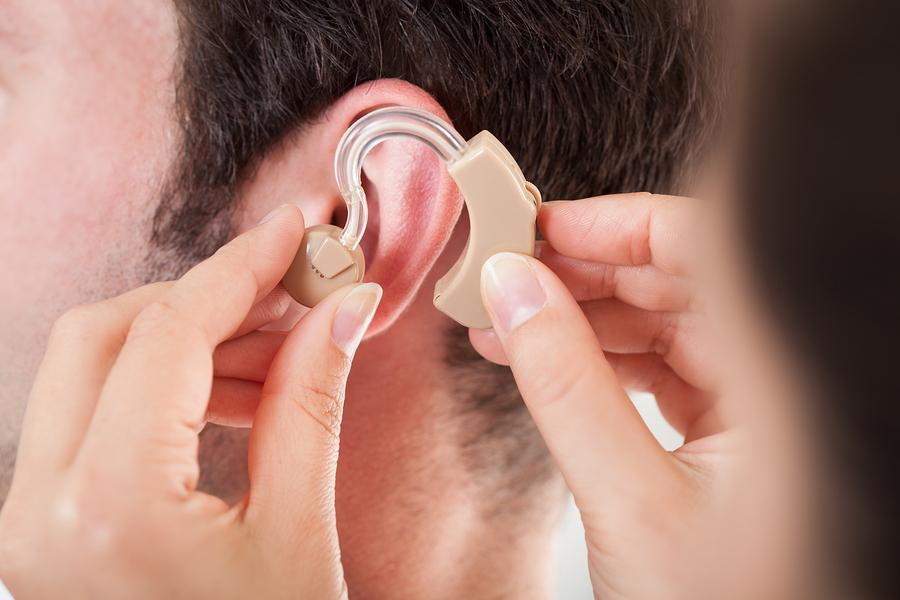
Hearing aids are the most common treatment for sensorineural hearing loss. Modern hearing aids are sophisticated digital devices that can be customized to the patient’s specific hearing loss pattern. They amplify sounds selectively, making speech clearer while reducing background noise. Many hearing aids are nearly invisible and can be connected to smartphones for personalized control. Hearing aids are indicated for most types of hearing loss and can significantly improve communication ability and quality of life.
Implantable Hearing Devices
For patients who do not benefit from traditional hearing aids, implantable devices offer alternative solutions:
Cochlear Implants: Cochlear implants are electronic devices that bypass the damaged inner ear and directly stimulate the auditory nerve. They are indicated for patients with severe to profound sensorineural hearing loss who receive minimal benefit from hearing aids. Cochlear implants consist of an external speech processor and an internal electrode array surgically implanted in the cochlea. They can provide significant hearing improvement in quiet and noisy environments.
Bone-Anchored Hearing Systems: These devices transmit sound through bone conduction, bypassing the outer and middle ear. They are indicated for patients with conductive hearing loss, mixed hearing loss, or single-sided deafness. A small titanium implant is surgically placed in the bone behind the ear, and an external sound processor attaches to the implant.
Middle Ear Implants: These devices are surgically implanted in the middle ear and directly vibrate the ossicular chain. They are indicated for patients with mild to severe sensorineural hearing loss who do not benefit from hearing aids.
Surgical Intervention
Surgery may be recommended for certain types of hearing loss:
Myringotomy and Tube Placement: This procedure involves making a small incision in the eardrum to drain fluid and placing a small tube to maintain ventilation of the middle ear. It is commonly performed for chronic otitis media with effusion.
Tympanoplasty: Tympanoplasty is surgery to repair a perforated eardrum or reconstruct the middle ear structures. The procedure can improve hearing and prevent recurrent infections.
Stapedectomy or Stapedotomy: These procedures are performed to treat otosclerosis by removing the stapes bone and replacing it with a prosthesis to improve hearing.
Mastoidectomy: Mastoidectomy is the removal of infected air cells in the mastoid bone behind the ear. This procedure is often performed for chronic ear infections that do not respond to medication.
Aural Rehabilitation and Counseling
Aural rehabilitation involves teaching patients and their families strategies to improve communication despite hearing loss. This includes training in speech reading, use of assistive listening devices, and counseling to address the emotional and social impact of hearing loss. Support groups and educational programs can also be beneficial.
Tinnitus Management
For patients with tinnitus, a comprehensive approach includes:
-
Sound therapy using masking devices or white noise generators to make the tinnitus less noticeable
-
Cognitive behavioral therapy to change negative thoughts and reactions associated with tinnitus
-
Tinnitus retraining therapy, which combines counseling and sound therapy
-
Hearing aids to amplify external sounds and reduce the perception of tinnitus
Prevention and Long-Term Care
Protecting Hearing
Preventing hearing loss is always preferable to treating it. Key preventive measures include:
-
Avoiding exposure to loud noise or using hearing protection such as earplugs or earmuffs
-
Keeping the volume at safe levels when using personal audio devices
-
Having regular hearing evaluations, especially for those over 50 or those with occupational noise exposure
-
Managing chronic conditions like diabetes and high blood pressure that can affect hearing
-
Avoiding ototoxic medications when possible
-
Treating ear infections promptly
Long-Term Management
For patients with permanent hearing loss, ongoing management is essential. This includes regular audiological evaluations to monitor hearing and adjust hearing aid settings as needed, maintenance of hearing aids or implantable devices, and continued support and counseling to address communication challenges. Regular follow-up with an ENT specialist helps monitor disease progression and prevent complications.
When to Seek Medical Attention
Certain symptoms require prompt evaluation by an ENT specialist:
-
Sudden or rapid hearing loss in one or both ears
-
Asymmetric hearing loss
-
Hearing loss accompanied by tinnitus or dizziness
-
Ear pain or discharge
-
Hearing loss that significantly affects daily life
-
Family history of hearing loss
-
Occupational or recreational noise exposure
-
Symptoms of acoustic neuroma or other tumors
Early intervention significantly improves outcomes, particularly for sudden hearing loss and chronic infections.
About Dr. Somayeh Moin
Dr. Somayeh Moin is a board-certified Ear, Nose, and Throat (ENT) specialist with dedicated expertise in the diagnosis and treatment of hearing problems and hearing disorders. Holding prestigious board certifications from both Iran and Turkey, Dr. Moin brings a unique international perspective and comprehensive training to the management of hearing loss and related conditions.
Dr. Moin’s dual-board certification reflects a commitment to the highest standards of otolaryngological care. Her extensive training in both countries equips her with a diverse range of diagnostic and therapeutic approaches, including comprehensive audiological evaluation, medical management of hearing loss and ear infections, hearing aid prescription and fitting, evaluation for cochlear implantation and other implantable devices, surgical treatment of conductive hearing loss, and management of tinnitus and balance disorders.
As an ENT and Head & Neck Surgery specialist, Dr. Moin possesses an in-depth understanding of the complex anatomy and function of the ear and auditory system. She recognizes that hearing loss can be a deeply isolating experience and that each patient requires a thorough evaluation and individualized treatment plan to address their specific needs and goals.
Dr. Moin’s practice emphasizes comprehensive diagnostic evaluation using state-of-the-art audiometry and imaging, evidence-based treatment protocols with proven outcomes, individualized treatment plans tailored to each patient’s specific hearing loss pattern and lifestyle, patient education to empower informed decision-making, and close follow-up and support for optimal outcomes.
For patients experiencing hearing problems, Dr. Somayeh Moin offers the expertise, international training, and compassionate care required to achieve optimal outcomes. Her dual-board certification from Iran and Turkey represents a commitment to excellence and a deep understanding of the complexities of hearing loss and its management.