
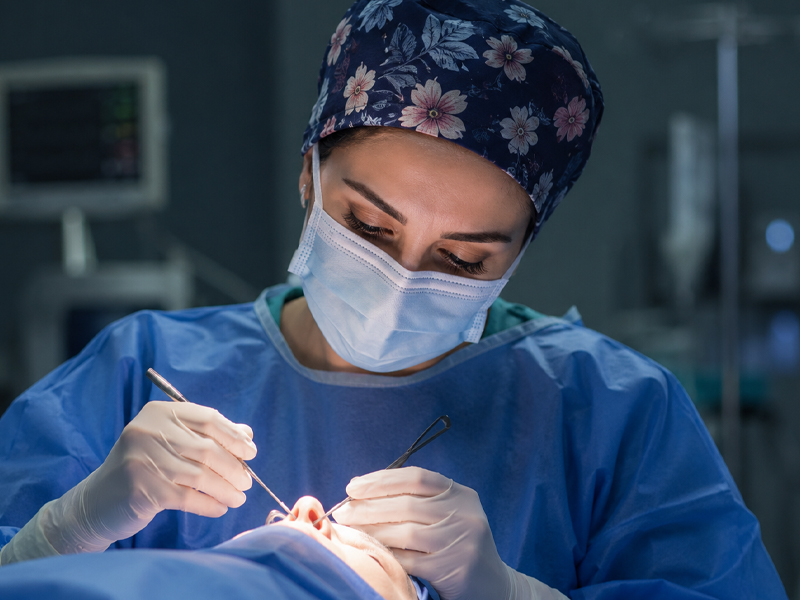
Ethnic rhinoplasty has become one of the fastest-growing fields in facial plastic surgery. Rather than creating a standard nose shape, this specialized procedure focuses on enhancing facial harmony while respecting each patient’s ethnic characteristics and cultural identity. For Middle Eastern patients, rhinoplasty requires a personalised approach that combines aesthetic expertise with a deep understanding of regional nasal anatomy.
Middle Eastern noses often have distinctive features such as a prominent dorsal hump, thicker skin, a drooping nasal tip, wider nasal bones, or a strong nasal bridge. These characteristics contribute to the unique beauty of the face and should be refined—not erased. Modern ethnic rhinoplasty aims to improve facial balance while maintaining the patient’s natural heritage.
What Is Ethnic Rhinoplasty?
Ethnic rhinoplasty is a highly specialised form of cosmetic nose surgery designed for patients from diverse ethnic backgrounds. Unlike traditional rhinoplasty, which may follow standard aesthetic ideals, ethnic rhinoplasty respects anatomical diversity and preserves cultural identity.
The primary goal is to enhance the nose without making it appear unnatural or inconsistent with the patient’s facial features.
Patients seeking ethnic rhinoplasty often wish to improve specific concerns while maintaining a nose that looks authentic and complements their overall appearance.
Why Ethnic Rhinoplasty Is Different
Every ethnic group has unique nasal characteristics.
Middle Eastern patients frequently present with:
- A prominent dorsal hump
- Thick nasal skin
- Strong nasal bones
- A broad nasal bridge
- A drooping nasal tip
- Wide nostrils
- Minor breathing difficulties
- A deviated nasal septum
These anatomical differences require advanced surgical planning and meticulous technique.
An experienced surgeon understands how to refine these features while preserving structural support and achieving natural-looking results.
Characteristics of Middle Eastern Noses
Although every patient is unique, several characteristics are commonly seen among Middle Eastern individuals.
Prominent Nasal Bridge
Many Middle Eastern patients have a high or prominent bridge that creates a noticeable profile. Careful reduction of the bridge can improve facial balance while maintaining strength and support.
Thick Nasal Skin
Thicker skin presents additional challenges because it can hide fine structural changes after surgery.
Experienced surgeons use specialised techniques to improve definition without compromising long-term stability.
Strong Cartilage
Middle Eastern noses usually contain strong cartilage, which provides excellent structural support.
Rather than removing excessive cartilage, modern rhinoplasty techniques reshape and preserve it whenever possible.
Drooping Nasal Tip
A downward-pointing nasal tip may become more noticeable while smiling or speaking.
Refining tip projection and rotation creates a younger and more balanced facial appearance.
Goals of Ethnic Rhinoplasty
Successful ethnic rhinoplasty is based on harmony rather than transformation.
The procedure should improve facial proportions while preserving the patient’s identity.
Modern goals include:
- Preserving ethnic identity
- Improving facial harmony
- Refining the nasal profile
- Enhancing nasal tip definition
- Correcting asymmetry
- Improving breathing when necessary
- Maintaining natural facial expressions
- Creating long-lasting results
Patients should still look like themselves after surgery—simply more balanced and refreshed.
Functional and Cosmetic Benefits
Ethnic rhinoplasty is not only about appearance.
Many Middle Eastern patients also experience functional nasal problems that can be corrected during the same operation.
Cosmetic Improvements
Cosmetic enhancements may include:
- Smoother nasal profile
- Better tip definition
- Narrower bridge
- Improved facial symmetry
- Balanced facial proportions
Functional Improvements
Functional correction may include:
- Septoplasty
- Improved nasal airflow
- Correction of a deviated septum
- Better breathing during sleep
- Reduced nasal obstruction
Combining functional and cosmetic rhinoplasty often provides the highest level of patient satisfaction.
Why Personalised Surgical Planning Matters
No two noses are identical.
Every successful rhinoplasty begins with a comprehensive consultation and facial analysis.
Surgeons evaluate:
- Facial proportions
- Skin thickness
- Cartilage strength
- Nasal symmetry
- Breathing function
- Patient expectations
- Previous nasal injuries
- Medical history
This personalised evaluation allows the surgeon to develop a customised surgical plan that respects the patient’s anatomy and aesthetic goals.
Modern Techniques in Ethnic Rhinoplasty
Advances in facial plastic surgery have transformed the way ethnic rhinoplasty is performed. Modern techniques focus on preserving the natural structure of the nose while making precise refinements that complement the patient’s facial features.
Rather than aggressively removing bone and cartilage, surgeons now use preservation and structural rhinoplasty techniques to maintain strength, improve function, and create elegant, long-lasting results.
Preservation Rhinoplasty
Preservation rhinoplasty is becoming increasingly popular among Middle Eastern patients because it maintains much of the natural nasal framework.
Benefits include:
- Reduced tissue trauma
- Less post-operative swelling
- Faster recovery
- Improved structural stability
- Natural-looking outcomes
This technique is ideal for selected patients who require subtle refinement rather than dramatic alteration.
Structural Rhinoplasty
Structural rhinoplasty focuses on rebuilding and reinforcing the nose using the patient’s own cartilage.
This approach helps:
- Improve nasal support
- Refine the nasal tip
- Correct asymmetry
- Enhance long-term stability
- Prevent future collapse
For patients with thick skin or complex nasal anatomy, structural rhinoplasty often provides superior long-term results.
Recovery After Ethnic Rhinoplasty
Recovery is an important part of the surgical journey. Although healing varies between individuals, most patients recover smoothly by following their surgeon’s instructions.
During the first week, swelling and bruising are expected. These symptoms gradually improve, allowing most patients to return to work and normal daily activities within one to two weeks.
Recovery Timeline
First Week
- Mild swelling and bruising
- Nasal splint remains in place
- Rest and limited physical activity
- Regular follow-up appointment
Second Week
- Splint removal
- Most bruising fades
- Improved breathing
- Return to office work for many patients
One to Three Months
- Continued reduction in swelling
- Better nasal definition
- Improved facial harmony
- Increased confidence
Six to Twelve Months
The nose continues to refine as the remaining swelling disappears. Final results become fully visible, revealing a natural appearance that blends beautifully with the patient’s facial features.
Choosing the Right Surgeon
Ethnic rhinoplasty requires specialised knowledge of facial anatomy, aesthetics, and cultural diversity. The surgeon must understand how to improve the nose without removing the unique features that define the patient’s heritage.
When selecting a surgeon, patients should consider:
- Board certification
- Experience with Middle Eastern rhinoplasty
- Before-and-after results
- Functional and cosmetic expertise
- Personalised consultation
- Modern surgical techniques
- Commitment to patient safety
Choosing an experienced specialist significantly improves both cosmetic and functional outcomes.
Frequently Asked Questions
Will I still look like myself after ethnic rhinoplasty?
Yes. The goal is to enhance your natural appearance while preserving your ethnic identity and facial harmony.
Can ethnic rhinoplasty improve breathing?
Yes. Many patients undergo combined cosmetic rhinoplasty and septoplasty to improve both appearance and nasal function.
How long does recovery take?
Most patients return to work within one to two weeks. Swelling continues to improve over several months, with final results typically visible after six to twelve months.
Is ethnic rhinoplasty more difficult than traditional rhinoplasty?
Ethnic rhinoplasty is considered more technically demanding because it requires a deep understanding of different nasal structures, skin thickness, and aesthetic balance.
Are the results permanent?
Yes. While the natural ageing process continues, the structural changes achieved during surgery are designed to provide long-lasting results.
Why Choose Dr. Somayeh Moein?
Achieving beautiful, natural results in ethnic rhinoplasty requires surgical precision, artistic vision, and extensive experience.
Dr. Somayeh Moein is a board-certified Ear, Nose and Throat (ENT) surgeon in both Iran and Turkey, specialising in advanced rhinoplasty techniques for patients from diverse ethnic backgrounds, including Middle Eastern individuals.
Her approach focuses on preserving each patient’s cultural identity while enhancing facial harmony, improving nasal function, and delivering elegant, natural-looking outcomes. Every treatment plan is carefully tailored to the patient’s anatomy, aesthetic goals, and functional needs.
Using the latest evidence-based surgical techniques, Dr. Somayeh Moein provides personalised care from the initial consultation through every stage of recovery, ensuring the highest standards of safety, comfort, and patient satisfaction.
Conclusion
Ethnic rhinoplasty for Middle Eastern patients is about far more than reshaping the nose. It is a sophisticated procedure that balances beauty, function, and cultural identity. By respecting natural facial characteristics and using advanced surgical techniques, experienced surgeons can create results that appear refined, harmonious, and authentic.
For patients seeking expert ethnic rhinoplasty in Istanbul, Dr. Somayeh Moein offers the knowledge, experience, and personalised care needed to achieve exceptional cosmetic and functional results while preserving the unique beauty of every individual.


No comment