
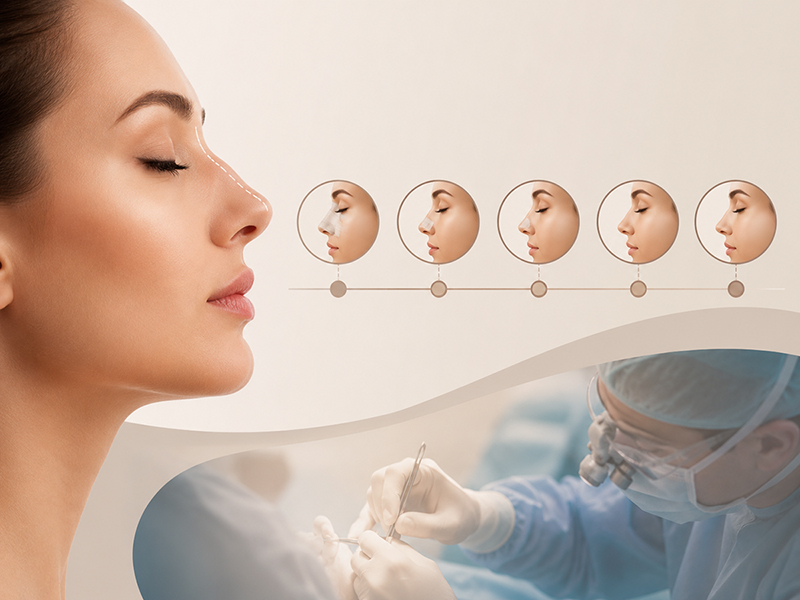
Preservation Rhinoplasty has become one of the most advanced techniques in modern cosmetic nose surgery. Unlike traditional rhinoplasty, this innovative approach preserves much of the patient’s natural nasal anatomy while reshaping the nose with minimal disruption. As a result, many patients experience less swelling, faster recovery, and more natural-looking outcomes.
Understanding the recovery timeline after Preservation Rhinoplasty is essential for anyone considering this procedure. Knowing what to expect during each stage of healing helps patients prepare mentally, follow post-operative instructions, and achieve the best possible results.
What Is Preservation Rhinoplasty?
Preservation Rhinoplasty is a modern surgical technique designed to reshape the nose while maintaining its natural supporting structures. Instead of removing large amounts of cartilage and bone, the surgeon carefully modifies the nasal framework, preserving important anatomical features.
This conservative approach offers several advantages, including:
- Less tissue trauma
- Reduced swelling and bruising
- Better preservation of nasal function
- More predictable healing
- Natural facial harmony
- Long-lasting aesthetic results
Because less tissue is disturbed during surgery, the recovery process is often smoother than with traditional rhinoplasty.
The First 24 Hours After Surgery
The first day after Preservation Rhinoplasty is focused on rest and recovery.
Patients usually return home on the same day with a nasal splint protecting the new nasal shape. Mild swelling, congestion, and slight discomfort are completely normal.
During this period, patients should:
- Keep the head elevated while sleeping.
- Apply cold compresses around the eyes.
- Drink plenty of water.
- Take prescribed medications as instructed.
- Avoid touching or blowing the nose.
Most patients describe the discomfort as mild rather than painful.
Days 2–3: Swelling Reaches Its Peak
During the second and third days, swelling and bruising are generally at their highest level. This stage is expected and should not cause concern.
Patients may notice:
- Puffy cheeks
- Bruising beneath the eyes
- Nasal congestion
- Mild pressure around the nose
Although the appearance may seem dramatic, the healing process is progressing normally beneath the surface.
Walking indoors and performing light daily activities are encouraged to improve circulation and reduce the risk of complications.
Days 4–7: Noticeable Improvement
By the end of the first week, most patients begin to feel significantly better.
Bruising starts fading, facial swelling decreases gradually, and overall comfort improves considerably.
The surgeon usually removes the nasal splint around day seven.
This is an exciting milestone because patients can finally see the initial shape of their new nose.
However, it is important to remember that swelling still hides much of the final result.
Week Two: Returning to Daily Life
The second week marks one of the biggest improvements in recovery.
Most patients:
- Return to office work
- Resume social activities
- Feel comfortable appearing in public
- Experience only minimal bruising
Although friends and family may notice a positive change, the nose still appears slightly swollen, especially around the nasal tip.
Patients should continue avoiding strenuous exercise and protect the nose from accidental impact.
Weeks Three to Four
Between weeks three and four, recovery continues steadily.
Approximately 60–70% of the visible swelling has usually resolved.
Patients often report:
- Improved breathing
- Better definition of the nasal bridge
- Reduced stiffness
- Increased confidence
Light exercise may be allowed with the surgeon’s approval.
Heavy lifting, contact sports, and activities that increase blood pressure should still be avoided.
One to Three Months After Surgery
This period represents one of the most rewarding stages of recovery.
The nose becomes increasingly refined.
Swelling continues to decrease gradually, revealing:
- Better nasal symmetry
- Improved facial balance
- Natural contour
- Softer nasal tip
Most people around the patient will not notice any obvious signs of surgery.
Patients typically feel fully comfortable returning to their normal lifestyle.
Months Three to Six: Continued Refinement
Between the third and sixth month after Preservation Rhinoplasty, the healing process enters a more subtle phase. While the majority of swelling has already subsided, the nose continues to refine internally and externally.
Patients usually notice:
- Better tip definition
- Improved nasal symmetry
- Softer skin over the nasal framework
- More natural facial harmony
- Increased confidence in their appearance
Although friends and family often believe the final result has already been achieved, small internal changes continue beneath the skin.
Patients with thicker skin may require a little more time before seeing their final outcome.
Six Months to One Year: The Final Result
Patience is one of the most important parts of rhinoplasty recovery.
For most patients, the final results become visible between six and twelve months after surgery. During this period, residual swelling disappears completely, allowing the refined nasal contours to become fully apparent.
By the end of the healing process, patients enjoy:
- A natural-looking nose
- Balanced facial proportions
- Improved breathing (when functional correction was performed)
- Stable long-term results
- Enhanced self-confidence
Preservation Rhinoplasty is specifically designed to maintain the natural support of the nose, contributing to a more predictable and long-lasting outcome.
Tips for a Faster Recovery
Although healing follows its own biological timeline, patients can support recovery by following their surgeon’s recommendations.
Helpful tips include:
- Sleep with your head elevated.
- Stay well hydrated.
- Eat a balanced, protein-rich diet.
- Avoid smoking and alcohol.
- Protect your nose from direct sunlight.
- Wear sunscreen daily.
- Avoid unnecessary pressure on the nose.
- Attend every follow-up appointment.
- Follow all medication instructions carefully.
Consistency with post-operative care significantly improves healing and helps achieve the best possible results.
Foods That Promote Healing
Nutrition plays an important role in tissue repair after surgery.
Foods that may support recovery include:
- Lean protein
- Fresh fruits
- Green vegetables
- Vitamin C-rich foods
- Omega-3 fatty acids
- Whole grains
- Nuts and seeds
Patients should also drink plenty of water throughout the recovery period.
Activities to Avoid
Protecting the nose during healing is essential.
For several weeks after surgery, patients should avoid:
- Heavy lifting
- Running
- Contact sports
- Swimming
- Wearing heavy glasses
- Sleeping face down
- Smoking
- Excessive sun exposure
Following these precautions reduces the risk of complications and supports long-term success.
Common Recovery Mistakes
Some patients unintentionally delay their recovery by making avoidable mistakes.
These include:
- Removing the splint too early
- Ignoring follow-up appointments
- Exercising too soon
- Blowing the nose forcefully
- Sleeping on the side
- Wearing tight glasses
- Touching the nose frequently
- Comparing results too early
Healing is a gradual process, and patience is essential for achieving optimal outcomes.
Frequently Asked Questions
Is Preservation Rhinoplasty less painful?
Yes. Most patients report only mild discomfort because the technique preserves more of the natural nasal structures.
When can I return to work?
Many patients return to office work within 7 to 10 days, depending on their recovery.
When can I exercise again?
Light walking is encouraged early in recovery, while strenuous exercise is usually postponed for several weeks, according to your surgeon’s advice.
Will swelling disappear completely?
Yes. Most swelling resolves within a few months, although the final refinement—especially at the nasal tip—may continue for up to one year.
Is Preservation Rhinoplasty suitable for everyone?
Not always. The most appropriate technique depends on your nasal anatomy, functional needs, and cosmetic goals. A detailed consultation is necessary to determine the best surgical approach.
Why Choosing an Experienced Surgeon Matters
Preservation Rhinoplasty is a highly specialised procedure that requires extensive anatomical knowledge, precision, and experience. The surgeon must preserve the natural support structures of the nose while creating aesthetically pleasing, long-lasting results.
Selecting a qualified ENT surgeon with advanced rhinoplasty expertise greatly increases the likelihood of achieving both functional improvement and natural facial harmony.
Choose Dr. Somayeh Moein for Preservation Rhinoplasty in Istanbul
If you are considering Preservation Rhinoplasty in Istanbul, Dr. Somayeh Moein offers a personalised approach based on modern surgical principles and meticulous attention to detail.
As a board-certified Ear, Nose and Throat (ENT) surgeon recognised in both Iran and Turkey, Dr. Somayeh Moein combines functional expertise with aesthetic precision to achieve natural-looking rhinoplasty outcomes tailored to each patient’s facial features. From your initial consultation through every stage of recovery, she provides comprehensive care focused on patient safety, comfort, and long-term satisfaction.
Whether your goal is cosmetic enhancement, improved nasal function, or revision surgery, Dr. Somayeh Moein is committed to helping you achieve balanced, elegant, and lasting results using the latest evidence-based rhinoplasty techniques.

No comment