
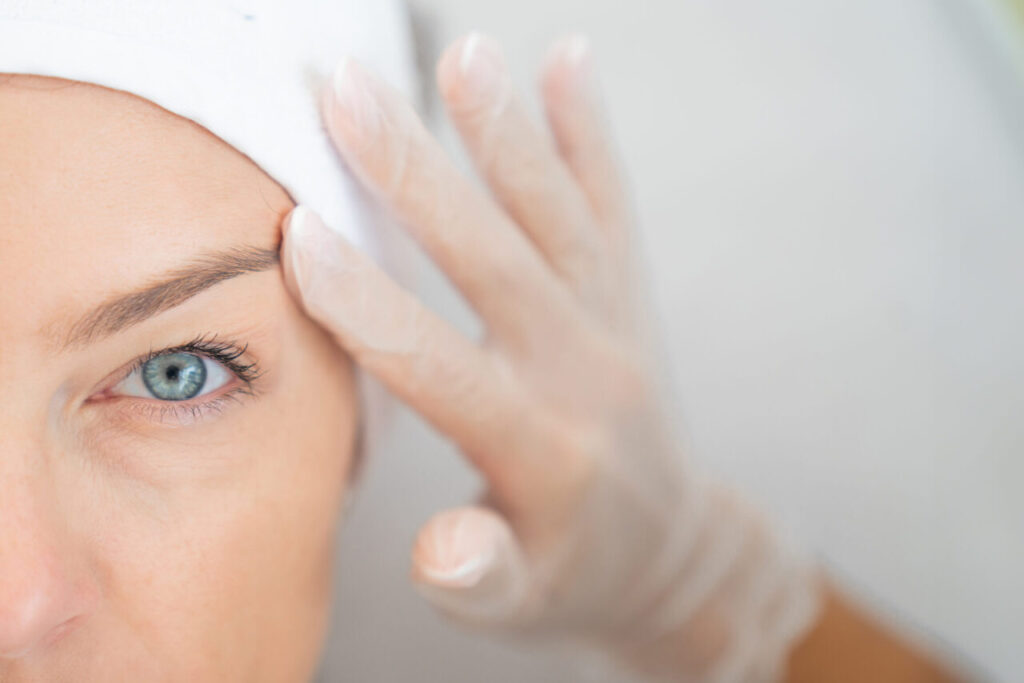
A facelift, medically known as rhytidectomy, is a specialized surgical procedure designed to reduce the visible signs of aging by tightening sagging facial tissues, removing excess skin, and repositioning deeper facial structures. This transformative procedure addresses the lower two-thirds of the face and neck, restoring a more youthful, refreshed, and natural appearance.
The aging process affects every layer of the face. Over time, skin loses its elasticity, underlying muscles weaken, fat diminishes or redistributes, and gravity pulls tissues downward. These changes manifest as deep wrinkles, jowls along the jawline, sagging cheeks, and loose skin around the neck. A facelift directly addresses these concerns, providing comprehensive facial rejuvenation that cannot be achieved through non-surgical treatments alone.
A forehead lift, also known as a brow lift, is often performed in conjunction with a facelift to address the upper third of the face. This procedure elevates drooping eyebrows, smooths forehead wrinkles, and reduces furrows between the eyebrows, creating a more alert and refreshed appearance.
It is important to understand that a facelift is not a one-size-fits-all procedure. Modern facelift techniques are highly customizable, allowing surgeons to address specific areas of concern while preserving each patient’s unique facial characteristics and ethnic features. The goal is not to change who you are but to restore a more youthful version of yourself.
Types of Facelift Procedures
Facelift surgery has evolved significantly over the past several decades. Today, surgeons offer a range of techniques designed to address different degrees of aging and patient preferences.
Traditional Facelift
The traditional or full facelift is the most comprehensive approach to facial rejuvenation. It addresses the lower two-thirds of the face, including the cheeks, jowls, jawline, and neck. The surgeon makes incisions that begin at the hairline near the temples, continue down in front of the ear, curve behind the earlobe, and extend into the lower scalp. Through these incisions, the surgeon elevates the skin, tightens underlying muscles and tissues, removes excess skin, and repositions the remaining skin for a smoother, more youthful contour. This technique is ideal for patients with significant sagging and deep wrinkles.
Mini Facelift
The mini facelift, also known as the short-scar facelift, is a less invasive option for patients with mild to moderate signs of aging. This procedure uses shorter incisions, typically limited to the area around the ear, and focuses on the lower face and jowls. Recovery is generally faster than with a traditional facelift, making this an attractive option for younger patients or those who are not yet ready for a full facelift.
SMAS Facelift
The SMAS facelift is considered the gold standard in modern facelift surgery. SMAS stands for Superficial Musculoaponeurotic System, which is the layer of tissue beneath the skin that holds the facial muscles. In this technique, the surgeon tightens the SMAS layer in addition to removing excess skin, creating more natural-looking and longer-lasting results. By addressing the deeper tissues, the SMAS facelift avoids the windblown or overly tight appearance associated with earlier facelift techniques.
Deep Plane Facelift
The deep plane facelift represents the most advanced technique available today. This approach involves elevating the skin, SMAS, and deeper tissues together as a single unit. By releasing the ligaments that tether the tissues to the underlying bone, the surgeon can reposition the entire facial structure to its youthful position. This technique provides the most natural-looking and longest-lasting results, as it addresses the root cause of facial aging rather than simply pulling skin tight.
Mid Facelift
A mid facelift specifically targets the middle third of the face, including the cheeks and the area around the eyes. This procedure elevates sagging cheek tissues and restores volume to the midface, reducing the appearance of nasolabial folds and under-eye hollows. It is often performed in conjunction with blepharoplasty to achieve complete periorbital rejuvenation.
Forehead Lift (Brow Lift)
A forehead lift, or brow lift, addresses the upper third of the face. This procedure elevates drooping eyebrows, smooths horizontal forehead wrinkles, and reduces vertical furrows between the eyebrows. The surgeon may use an endoscopic approach, which involves small incisions hidden within the hairline and the use of a tiny camera, or a traditional open approach with an incision across the forehead or along the hairline. An endoscopic brow lift is particularly popular as it offers excellent results with minimal scarring and faster recovery.
Combination Approaches
Many patients benefit from combining a facelift with other procedures to achieve comprehensive facial rejuvenation. Common combination surgeries include facelift with blepharoplasty to address the eyes and lower face simultaneously, facelift with neck lift for comprehensive lower face and neck rejuvenation, facelift with fat grafting to restore lost facial volume, and facelift with forehead lift for complete facial rejuvenation from brow to neck.
Who Is a Good Candidate for Facelift Surgery?
Facelift surgery can benefit both men and women seeking to address visible signs of aging that are not responsive to non-surgical treatments. The ideal candidate is someone who is in good overall health, does not smoke, and has realistic expectations about the procedure.
Candidates for facelift typically include:
-
Individuals with sagging skin around the cheeks and jawline
-
Those with prominent jowls along the jawline
-
People with deep nasolabial folds
-
Individuals with loose skin on the neck
-
Those with vertical neck bands
-
People with a tired or aged appearance despite good health
-
Individuals with drooping eyebrows and forehead wrinkles
-
Those with realistic expectations about outcomes
-
Non-smokers or those willing to quit smoking before and after surgery
Age Considerations
Facelift surgery is most commonly performed on patients aged forty to seventy, as this is when the visible signs of facial aging typically become most pronounced. However, some younger patients with genetic predisposition to early aging may also be excellent candidates. The popularity of the mini facelift has increased among younger patients seeking subtle rejuvenation. Research shows that facelift patients report high satisfaction rates, with studies demonstrating significant improvements in perceived age and attractiveness.
The Facelift Procedure: What to Expect
Preoperative Preparation
Before surgery, the surgeon will conduct a thorough evaluation. This includes reviewing your medical history, discussing medications and supplements that may need to be paused, performing a physical examination of the face and neck, taking photographs for medical records, and discussing your aesthetic goals and expectations. Patients are typically advised to stop smoking and avoid medications that can increase bleeding risk, such as aspirin, anti-inflammatory drugs, and certain herbal supplements. Arranging for a ride home and assistance during the early recovery period is also essential.
Anesthesia
Facelift surgery is performed under general anesthesia or intravenous sedation with local anesthesia, depending on the extent of the procedure and patient preference. General anesthesia ensures complete comfort and is typically recommended for more extensive procedures. The surgeon and anesthesiologist will determine the safest and most suitable option for your surgery.
Surgical Technique
The specific steps of facelift surgery vary based on the technique used and the patient’s unique anatomy. However, most procedures follow a similar general approach.
The surgeon makes incisions according to the predetermined plan. For a traditional facelift, incisions begin at the hairline near the temples, continue down in front of the ear, curve behind the earlobe, and extend into the lower scalp. For an endoscopic brow lift, small incisions are made within the hairline. The surgeon elevates the skin and underlying tissues. In the SMAS technique, the surgeon tightens the SMAS layer, while in the deep plane technique, the surgeon elevates the entire facial structure. The surgeon repositions tissues to their more youthful position and removes any excess skin. The incisions are then closed with sutures.
The entire procedure typically takes three to six hours, depending on the complexity of the surgery and whether additional procedures are being performed.
Recovery After Facelift Surgery
Immediate Postoperative Period
After surgery, the face is typically covered with bandages to minimize swelling and support the healing tissues. Small drains may be placed behind the ears to remove excess fluid. Patients can generally go home the same day or may be asked to stay overnight for observation. Initial symptoms may include swelling, bruising, discomfort, tightness, and numbness.
Recovery Timeline
First Two to Three Days: Swelling and bruising peak during this period. Applying cold compresses helps reduce swelling and discomfort. Patients should rest with their head elevated and avoid any straining or heavy lifting. Pain medication helps manage any discomfort.
First One to Two Weeks: Bruising begins to fade, and most visible swelling subsides. Sutures and drains are typically removed within five to seven days. Patients can usually return to work and normal daily activities within about ten to fourteen days, though some residual swelling may remain.
Two to Four Weeks: The majority of swelling resolves, and patients can gradually resume normal activities, including light exercise. Bruising typically resolves completely. Patients can begin wearing makeup to cover any residual discoloration.
One to Three Months: Incisions continue to fade, and the results become more apparent. Most patients can resume strenuous exercise after about four to six weeks. The face continues to settle into its new contours.
Six to Twelve Months: Final results are typically visible. Scarring continues to mature and fade, becoming increasingly inconspicuous. The results of a deep plane facelift can last up to ten to fifteen years.
Self-Care During Recovery
Keep your head elevated with multiple pillows to reduce swelling. Apply cold compresses as directed by your surgeon. Take prescribed medications on schedule. Avoid any activity that increases blood pressure to the head. Avoid bending over, lifting, or straining. Keep incisions clean and dry. Avoid direct sun exposure on incisions. Use sunscreen diligently when outdoors. Avoid smoking, which impairs healing and can compromise results. Attend all follow-up appointments.
Risks and Complications
As with any surgery, facelift surgery carries some risks. However, when performed by a board-certified surgeon, it is generally considered safe with a low complication rate.
Potential risks include:
-
Bleeding and hematoma
-
Infection
-
Reaction to anesthesia
-
Nerve injury causing temporary or permanent facial weakness
-
Asymmetry
-
Visible scarring
-
Skin necrosis (skin loss)
-
Hair loss at incision sites
-
Changes in skin sensation
-
Fluid accumulation
-
Swelling that persists
-
Need for revision surgery
When to Contact Your Surgeon
Patients should immediately contact their healthcare provider if they experience severe pain, excessive swelling or bleeding, chest pain, difficulty breathing, fever, signs of infection such as redness, warmth, or discharge at the incisions, or any sudden changes in facial movement or sensation.
Benefits of Facelift Surgery
Facelift surgery offers numerous benefits that extend beyond aesthetic improvement:
-
Dramatic reduction of visible signs of aging
-
A more youthful and refreshed appearance
-
Improved self-confidence and self-esteem
-
Long-lasting, durable results
-
Correction of jowls and sagging jawline
-
Smoothing of deep wrinkles
-
Tightening of loose neck skin
-
Correction of vertical neck bands
-
Enhancement of facial contours
-
Natural-looking results that preserve individuality
-
Improvement in how one is perceived by others
About Dr. Somayeh Moin
Dr. Somayeh Moin is a board-certified Ear, Nose, and Throat (ENT) specialist with dedicated expertise in facial plastic surgery, including facelift surgery and forehead lift procedures. Holding prestigious board certifications from both Iran and Turkey, Dr. Moin brings a unique international perspective and comprehensive surgical training to facial rejuvenation.
Dr. Moin’s dual-board certification reflects a commitment to the highest standards of otolaryngological care and facial plastic surgery. Her extensive training in both countries equips her with a diverse range of surgical techniques, including traditional facelift, SMAS facelift, deep plane facelift, mini facelift, endoscopic brow lift, and combination approaches.
As an ENT and Head & Neck Surgery specialist, Dr. Moin possesses an in-depth understanding of the complex anatomy of the face and neck. Her expertise includes full facelift for comprehensive rejuvenation, mini facelift for milder signs of aging, SMAS facelift for natural-looking, long-lasting results, deep plane facelift for the most advanced rejuvenation, forehead lift for a more alert and refreshed appearance, and combination procedures with blepharoplasty, neck lift, and fat grafting.
Dr. Moin understands that facial aging is a deeply personal concern and that each patient requires a tailored approach to achieve their aesthetic goals. Her philosophy emphasizes natural-looking results that enhance the patient’s unique beauty rather than changing their identity. She believes that the best facelift is one that leaves patients looking refreshed and rejuvenated rather than operated upon.
Dr. Moin’s practice emphasizes evidence-based surgical techniques with proven outcomes, comprehensive preoperative evaluation to set realistic expectations, meticulous surgical precision to ensure symmetry and natural contours, patient-centered care with a focus on safety and comfort, and close postoperative monitoring and support for optimal healing.
For patients considering facelift surgery to restore their youthful appearance, Dr. Somayeh Moin offers the expertise, international training, and compassionate care required to achieve transformative, life-enhancing results. Her dual-board certification from Iran and Turkey represents a commitment to excellence and a deep understanding of the aesthetic and functional complexities of the aging face.