
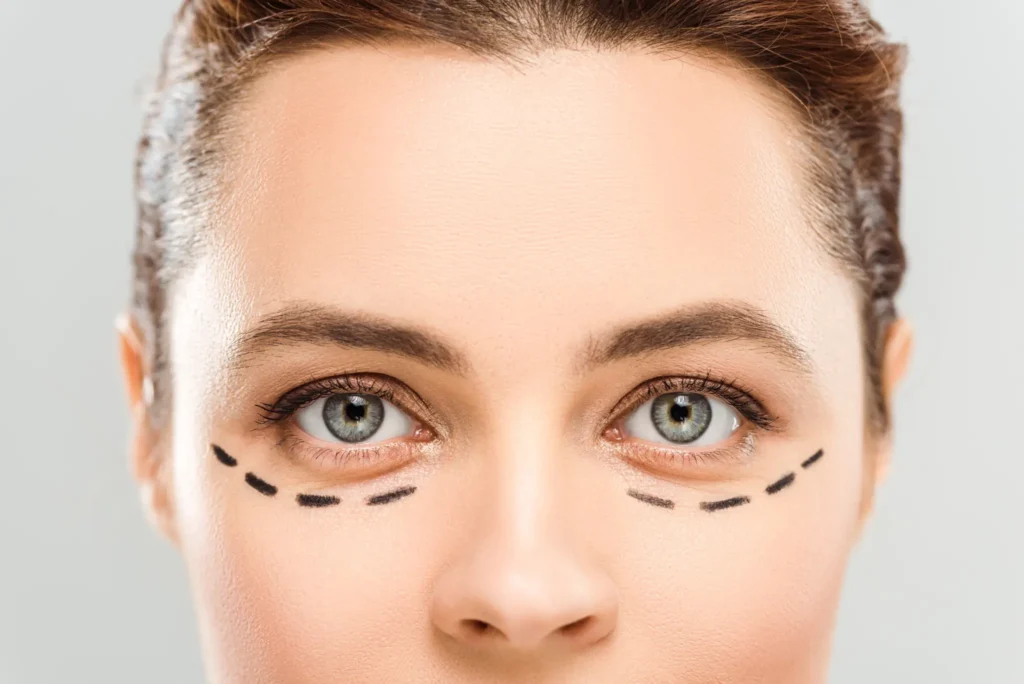
Blepharoplasty, commonly referred to as eyelid surgery, is a specialized surgical procedure designed to correct sagging or drooping eyelids and remove excess skin, fat, and muscle from the upper and lower eyelids. This procedure is one of the most frequently performed facial plastic surgeries worldwide, offering patients a more youthful, refreshed, and alert appearance by addressing the visible signs of aging around the eyes.
The eyes are often considered the focal point of the face and are among the first areas to show signs of aging. Over time, the skin around the eyes loses elasticity, muscles weaken, and fat deposits accumulate, leading to puffiness, bags, and sagging. Blepharoplasty can effectively reverse these changes, restoring a more vibrant and rested appearance.
It is important to note that blepharoplasty addresses concerns of both function and aesthetics. While many patients seek the procedure for cosmetic reasons, others require eyelid surgery to improve vision that has been obstructed by drooping upper eyelids. In fact, the upper eyelid surgery is often considered to have both functional and cosmetic indications, making it unique among facial plastic procedures.
Types of Blepharoplasty
Blepharoplasty can be performed on the upper eyelids, lower eyelids, or both, depending on the patient’s specific concerns and aesthetic goals.
Upper Blepharoplasty
Upper eyelid surgery is designed to address drooping upper eyelids, excess skin that creates folds, and puffiness in the upper eyelid area. This procedure can improve both appearance and function when sagging skin obstructs peripheral vision. During upper blepharoplasty, the surgeon makes an incision along the natural crease of the upper eyelid, removes excess skin and fat, and carefully repositions the remaining tissue before closing the incision with fine sutures. The resulting scar is well-hidden within the eyelid crease, making it virtually invisible once healed.
Lower Blepharoplasty
Lower eyelid surgery targets under-eye bags, puffiness, excess skin, and fine wrinkles below the eyes. The procedure can be performed using different techniques based on the patient’s needs. The transcutaneous approach involves an incision just below the lower lash line, allowing the surgeon to remove or reposition fat and tighten skin and muscle. The transconjunctival approach uses an incision inside the lower eyelid, leaving no visible external scar, and is particularly effective for fat removal without addressing excess skin.
Double Eyelid Surgery
Double eyelid surgery, also known as Asian blepharoplasty, is a specific type of upper eyelid procedure that creates a defined crease in the upper eyelid. This procedure is popular among individuals of East Asian descent who desire a more defined eyelid fold. The surgery can be performed using either a full-incision method or a suture-only technique, depending on the patient’s anatomy and aesthetic preferences.
Who Is a Good Candidate for Blepharoplasty?
Blepharoplasty can benefit both men and women seeking to rejuvenate their appearance or improve vision. The ideal candidate is someone who is in good overall health, does not smoke, and has realistic expectations about the procedure.
Candidates for blepharoplasty typically include:
-
Individuals with drooping upper eyelids that create a tired or aged appearance
-
Those with excess skin on the upper eyelids that obstructs vision
-
People with under-eye bags or puffiness
-
Those with fine wrinkles and excess skin around the lower eyelids
-
Individuals with asymmetrical eyelids
-
Patients seeking a more defined eyelid crease
-
Those with realistic expectations about the outcomes
Age Considerations
Blepharoplasty is most commonly performed on adults aged forty and older, as this is when age-related changes around the eyes typically become most noticeable. However, some younger patients with hereditary eyelid conditions, such as prominent under-eye bags or a lack of defined eyelid creases, may also be excellent candidates. Research shows that upper eyelid surgery can significantly improve patient satisfaction and quality of life, with studies reporting high satisfaction rates among patients who undergo the procedure for functional reasons.
The Blepharoplasty Procedure: What to Expect
Preoperative Preparation
Before surgery, the surgeon will conduct a thorough evaluation. This includes reviewing your medical history, discussing medications and supplements that may need to be paused, performing a physical examination of the eyelids and eyes, assessing tear production and vision, taking photographs for medical records, and discussing your aesthetic goals and expectations.
Patients are typically advised to stop smoking and avoid medications that can increase bleeding risk, such as aspirin, anti-inflammatory drugs, and certain herbal supplements. Arranging for a ride home after surgery is also essential.
Anesthesia
Blepharoplasty is usually performed under local anesthesia combined with sedation, allowing the patient to remain awake but relaxed and comfortable throughout the procedure. The surgeon numbs the eyelids with a local anesthetic, and sedation medications help the patient stay calm and drowsy. In some cases, general anesthesia may be recommended, particularly if the patient prefers to be completely asleep.
Upper Blepharoplasty Technique
The surgeon carefully marks the incision lines along the natural crease of the upper eyelid before administering anesthesia. An incision is made following the predetermined markings, and the surgeon separates the skin from the underlying muscle and fat. Excess skin is excised, and protruding fat deposits are removed or repositioned to create a smoother contour. The incision is then closed with fine sutures. The entire upper eyelid procedure typically takes about one hour.
Lower Blepharoplasty Technique
For lower eyelid surgery, the surgeon selects the appropriate approach based on the patient’s anatomy and concerns. In the transcutaneous approach, an incision is made just below the lower lash line, and the surgeon removes or repositions excess fat, tightens muscle and skin, and closes the incision. In the transconjunctival approach, the incision is made inside the lower eyelid, allowing for fat removal without visible external scars. This approach is ideal for patients with good skin elasticity who require fat reduction only. Lower eyelid surgery generally takes about one to two hours.
Recovery After Blepharoplasty
Immediate Postoperative Period
After surgery, the eyelids are typically covered with lubricating ointment and cold compresses to minimize swelling and bruising. Patients can generally go home the same day after the effects of anesthesia wear off. Initial symptoms may include swelling, bruising, discomfort, dryness, and sensitivity to light.
Recovery Timeline
First Two to Three Days: Swelling and bruising peak during this period. Applying cold compresses frequently helps reduce swelling and discomfort. Patients should rest with their head elevated and avoid straining or heavy lifting.
First One to Two Weeks: Bruising begins to fade, and most visible swelling subsides. Sutures are typically removed within five to seven days. Patients can usually return to work and normal daily activities within about ten days, though some residual swelling may remain.
Two to Four Weeks: The majority of swelling resolves, and patients can gradually resume normal activities, including light exercise. Bruising typically resolves completely.
One to Three Months: The incisions continue to fade, and the results become more apparent. Most patients can wear makeup and contact lenses after about two to three weeks.
Six to Twelve Months: Final results are typically visible. Scarring continues to mature and fade, becoming increasingly inconspicuous.
Self-Care During Recovery
Apply cold compresses frequently during the first few days to reduce swelling and bruising. Sleep with your head elevated on two or more pillows for the first week to minimize fluid accumulation. Take pain medications and antibiotics as prescribed. Avoid rubbing or touching your eyes or eyelids. Keep the incision areas clean and dry. Avoid wearing contact lenses until your surgeon gives permission. Avoid strenuous activities and heavy lifting for at least two weeks. Avoid swimming for at least three to four weeks. Avoid smoking, which impairs healing. Use lubricating eye drops to relieve dryness and irritation.
Risks and Complications
As with any surgery, blepharoplasty carries some risks. However, when performed by a board-certified surgeon, it is generally considered safe with a low complication rate.
Potential risks include:
-
Bleeding or hematoma
-
Infection
-
Reaction to anesthesia
-
Difficulty closing eyes completely
-
Dry eyes or excessive tearing
-
Ectropion, which is outward turning of the lower eyelid
-
Visual changes
-
Asymmetry
-
Scarring
-
Persistent swelling
-
Temporary or permanent changes in eyelid position
When to Contact Your Surgeon
Patients should immediately contact their healthcare provider if they experience severe pain, excessive bleeding, vision changes, chest pain, difficulty breathing, fever, or any signs of infection.
Benefits of Blepharoplasty
Blepharoplasty offers numerous benefits that extend beyond aesthetic improvement. The procedure provides several significant advantages:
-
A more youthful and refreshed appearance
-
Improved self-confidence and self-esteem
-
Correction of vision obstruction caused by drooping upper eyelids
-
Enhanced peripheral vision
-
Long-lasting, durable results
-
Minimal visible scarring when incisions are hidden in natural creases
-
Relief from eye fatigue caused by heavy eyelids
-
Improvement in under-eye puffiness and bags
About Dr. Somayeh Moin
Dr. Somayeh Moin is a board-certified Ear, Nose, and Throat (ENT) specialist with dedicated expertise in facial plastic surgery, including blepharoplasty and periorbital rejuvenation. Holding prestigious board certifications from both Iran and Turkey, Dr. Moin brings a unique international perspective and comprehensive surgical training to eyelid procedures.
Dr. Moin’s dual-board certification reflects a commitment to the highest standards of otolaryngological care and facial plastic surgery. Her extensive training in both countries equips her with a diverse range of surgical techniques, allowing her to tailor each blepharoplasty procedure to the individual patient’s unique anatomical considerations and aesthetic goals.
As an ENT and Head & Neck Surgery specialist, Dr. Moin possesses an in-depth understanding of the delicate anatomy of the eyelids and periorbital region. Her expertise includes upper eyelid surgery for drooping eyelids and visual obstruction, lower eyelid surgery for under-eye bags and puffiness, double eyelid surgery for defined crease creation, and revision blepharoplasty for patients dissatisfied with previous eyelid procedures.
Dr. Moin understands that the eyes are the most expressive feature of the face and that even subtle improvements can create profound transformations. Her approach combines meticulous surgical precision with an artistic eye for natural-looking, harmonious results. She is committed to preserving or enhancing the patient’s unique ethnic characteristics while addressing their specific concerns.
Dr. Moin’s practice emphasizes evidence-based surgical techniques with proven outcomes, comprehensive preoperative evaluation to set realistic expectations, meticulous surgical precision to ensure symmetry and natural contours, patient-centered care with a focus on safety and comfort, and close postoperative monitoring and support for optimal healing.
For patients considering blepharoplasty to rejuvenate their appearance or improve their vision, Dr. Somayeh Moin offers the expertise, international training, and compassionate care required to achieve transformative, life-enhancing results. Her dual-board certification from Iran and Turkey represents a commitment to excellence and a deep understanding of the aesthetic and functional complexities of the eyelids.