
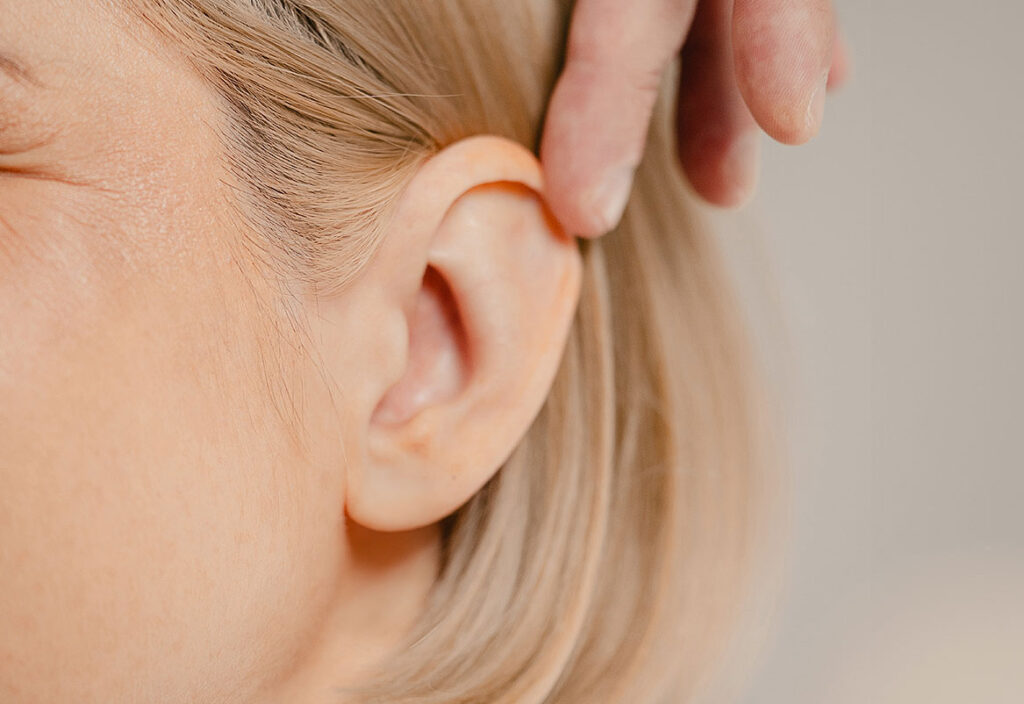
Otoplasty, commonly referred to as cosmetic ear surgery or ear pinning, is a specialized surgical procedure designed to improve the shape, position, or proportion of the outer ear. This procedure is most frequently performed to correct prominent or protruding ears, but it can also address a variety of other aesthetic concerns, including oversized ears, misshapen ears, and asymmetrical ear placement .
The outer ear, known as the auricle, plays an important role in our physical appearance. For individuals whose ears are overly prominent, too large, misshapen, or positioned unevenly, this can become a source of embarrassment that may grow into diminished self-esteem and lowered self-confidence . Otoplasty offers a permanent solution to these concerns, providing patients with a more balanced and natural-looking facial appearance.
According to recent figures, surgeons perform nearly 23,000 otoplasty procedures annually in the United States alone . This popularity reflects both the effectiveness of the procedure and the significant psychological benefits it can provide. A recent study analyzing patient satisfaction on RealSelf found that 90.7% of otoplasty patients rated the procedure as “Worth It,” with improved confidence, enhanced ear shape, and natural-appearing results cited most frequently as reasons for satisfaction .
It is important to note that otoplasty is purely a cosmetic procedure focused on improving the appearance of the ears. It does not affect hearing or alter auditory function in any way .
Types of Otoplasty Procedures
Otoplasty is not a one-size-fits-all approach. The specific technique used depends on the patient’s unique anatomical concerns and aesthetic goals. The three main types of otoplasty most frequently performed are ear pinning, ear reduction, and ear augmentation .
Ear Pinning (Setback Otoplasty)
Ear pinning, also known as pinnaplasty or ear setback surgery, is the most common type of otoplasty. It is specifically designed to correct prominent or protruding ears by repositioning them closer to the sides of the head . This procedure is particularly popular for children, as prominent ears can be a source of self-consciousness and teasing during school years .
The procedure typically involves reshaping the cartilage and using sutures to hold it permanently in place. In some cases, the surgeon may remove excess cartilage and skin . The Mustardé technique, which uses sutures to create a natural antihelical fold, is one of the most commonly used methods for ear pinning and has been widely used since the 1960s .
Ear Reduction Surgery
Ear reduction surgery is performed on individuals with disproportionately large ears, a condition known as macrotia. During this procedure, the surgeon carefully removes excess cartilage and skin tissue to reduce the overall size of the ears and bring them into better proportion with the rest of the face .
Ear Augmentation
Ear augmentation is recommended for individuals with small, malformed, or undeveloped ears, a condition known as microtia. This procedure typically involves grafting cartilage or tissue to enhance and contour the ear, creating a more symmetrical and natural-looking appearance . In some cases, surgeons can even build new ears for those born without them or who lost them through injury .
Other Specialized Procedures
Beyond these three main categories, otoplasty can also address specific concerns such as:
-
Conchal Reduction: Reshaping the conchal bowl, the central concave part of the outer ear, when it is excessively deep or prominent .
-
Cauliflower Ear Correction: A deformity caused by blunt trauma, common in contact sports, where surgery removes or reshapes damaged cartilage .
-
Revision Otoplasty: Correcting unsatisfactory results from previous ear surgeries .
Who Is a Good Candidate for Otoplasty?
Otoplasty can benefit both children and adults. The ideal candidate is someone who is in good overall health, does not smoke, and has realistic expectations about the procedure .
Candidates for otoplasty typically include:
-
Individuals with prominent or protruding ears
-
Those with oversized or disproportionate ears
-
People with misshapen or asymmetrical ears
-
Those with undeveloped ears (microtia)
-
Patients dissatisfied with a previous ear surgery
-
Individuals with cauliflower ear deformity
Age Considerations
Ear cartilage reaches its full size by approximately age five, which is why otoplasty is typically performed on children starting at this age . Many parents choose to have their children undergo the procedure before they start school to prevent potential psychological distress, embarrassment, and teasing from peers .
Research has demonstrated that early intervention can significantly benefit children. A study on school-age children who underwent otoplasty found that 60% were rated as “very much improved,” and 95% of parents reported being “very” or “completely” satisfied with the appearance and symmetry of their children’s ears .
Adults can also undergo otoplasty successfully. While the recovery may be similar to that of children, the risk of recurrence of prominent ears is higher in adults than in children .
The Otoplasty Procedure: What to Expect
Preoperative Preparation
Before surgery, the surgeon will conduct a thorough evaluation. This includes reviewing your medical history, performing a physical examination of the ears, discussing your aesthetic goals, and taking photographs for medical records .
Patients are typically advised to stop smoking and avoid medications that can increase bleeding risk, such as aspirin, anti-inflammatory drugs, and certain herbal supplements . Arranging for a ride home after surgery is also essential.
Anesthesia
The type of anesthesia used depends on the patient’s age and the complexity of the procedure. General anesthesia, where the patient is completely asleep and pain-free, is typically preferred for children . For adults, local anesthesia combined with a sedative is commonly used, allowing the patient to remain awake but relaxed and comfortable throughout the procedure .
Surgical Techniques
Otoplasty is usually performed on both ears to ensure symmetry, even if one ear is more prominent than the other . The specific technique varies based on the correction required, but most procedures involve similar steps :
-
Incision: The surgeon makes an incision either on the back of the ear or within the natural inner creases of the ear to minimize visible scarring .
-
Cartilage Adjustment: The surgeon reshapes, removes, or folds the ear cartilage as needed to achieve the desired correction .
-
Positioning: The cartilage is positioned correctly and secured with permanent internal stitches .
-
Closure: Additional stitches are used to close the incisions .
For ear pinning, the Mustardé technique, which uses sutures to recreate the natural antihelical fold, remains the standard method . Alternative approaches, such as the fascioperichondrial flap technique, have shown even lower recurrence rates in some studies .
The entire procedure typically lasts about two hours .
Recovery After Otoplasty
Immediate Postoperative Period
After surgery, the ears are covered with thick bandages to provide protection and support . Patients can generally go home the same day after anesthesia wears off. Initial symptoms may include throbbing, aching, mild discomfort, swelling, and bruising .
Recovery Timeline
-
First 2–4 Days: Bandages typically remain in place during this period . Patients should sleep with their head elevated and avoid sleeping on their side to prevent pressure on the ears .
-
First 1–2 Weeks: Bandages are removed, and swelling and redness may still be noticeable. A head wrap or headband needs to be worn for 2 to 3 weeks to help the area heal . In some cases, a loose headband may be worn overnight for several weeks to prevent inadvertently pulling the ears forward while turning in bed .
-
4–6 Weeks: Most visible side effects subside, and patients can gradually resume normal activities, including strenuous exercise .
Self-Care During Recovery
-
Wear loose-fitting collared garments or button-down shirts to avoid contact with the surgical area
-
Keep the dressing clean and dry as instructed by the surgeon
-
Apply ice packs to reduce swelling
-
Take pain medications as prescribed
-
Avoid touching or exerting pressure on the incisions
-
Avoid swimming and strenuous activity for approximately six weeks
When to Contact the Surgeon
Patients should immediately contact their healthcare provider if they experience fever, excessive bleeding, severe swelling, or severe ear pain, which could indicate infection of the ear cartilage .
Risks and Complications
As with any surgery, otoplasty carries some risks. However, when performed by a board-certified surgeon, it is generally considered safe .
Potential risks include:
-
Infection
-
Bleeding
-
Reaction to anesthesia
-
Blood clots on the ears (hematoma)
-
Changes in skin sensation (temporary or, rarely, permanent)
-
Asymmetry in ear placement
-
Overcorrection, giving the appearance of ears being pinned back
-
Recurrence of prominent ears (risk is higher in adults than children)
-
Scarring (scars are typically well-hidden behind the ears or within natural creases)
-
Problems with stitches, including migration to the skin surface
Outcomes and Results
Otoplasty provides immediate and permanent changes in the appearance of the ears once the bandages are removed . The procedure offers several significant benefits, including:
-
Correction of prominent, protruding, or misshapen ears
-
Enhanced self-confidence and improved self-esteem
-
A safe and effective procedure
-
Permanent, long-lasting results
Patient-reported satisfaction with otoplasty is consistently high. A study analyzing 615 reviews found that 90.7% rated the procedure as “Worth It,” with improved confidence cited by 38.5% of patients and enhanced ear shape by 27.8% .
About Dr. Somayeh Moin
Dr. Somayeh Moin is a board-certified Ear, Nose, and Throat (ENT) specialist with dedicated expertise in facial plastic surgery, including otoplasty and ear reconstruction. Holding prestigious board certifications from both Iran and Turkey, Dr. Moin brings a unique international perspective and comprehensive surgical training to cosmetic ear procedures.
Dr. Moin’s dual-board certification reflects a commitment to the highest standards of otolaryngological care and facial plastic surgery. Her extensive training in both countries equips her with a diverse range of surgical techniques, allowing her to tailor each otoplasty procedure to the individual patient’s unique anatomical considerations and aesthetic goals.
As an ENT and Head & Neck Surgery specialist, Dr. Moin possesses an in-depth understanding of auricular anatomy and the delicate balance required to achieve natural-looking, harmonious results. Her expertise includes ear pinning for prominent ears, ear reduction for oversized ears, ear augmentation for microtia and other structural abnormalities, and revision otoplasty for patients dissatisfied with previous ear surgeries.
Dr. Moin’s practice emphasizes evidence-based surgical techniques with proven outcomes, comprehensive preoperative evaluation to set realistic expectations, meticulous surgical precision to ensure symmetry and natural contours, patient-centered care with a focus on safety and comfort, and close postoperative monitoring and support for optimal healing.
She understands that dissatisfaction with ear appearance can affect every aspect of life, from social interactions to self-confidence. For patients considering otoplasty, Dr. Somayeh Moin offers the expertise, international training, and compassionate care required to achieve transformative, life-changing results. Her dual-board certification from Iran and Turkey represents a commitment to excellence and a deep understanding of the aesthetic and functional complexities of the ear.